Brilliant Invention Gen 20 Hydrogen Generator July 2 2026
Brilliant Invention Gen 20 Hydrogen Generator ---(update Feb 7... Full Story


by Gavan Knox MSc, BSc, BEd, Inventor
WhatsApp call +61 403177183
contact gavan@hfuel.com.au
https://hydrogenfuelsystems.com.au
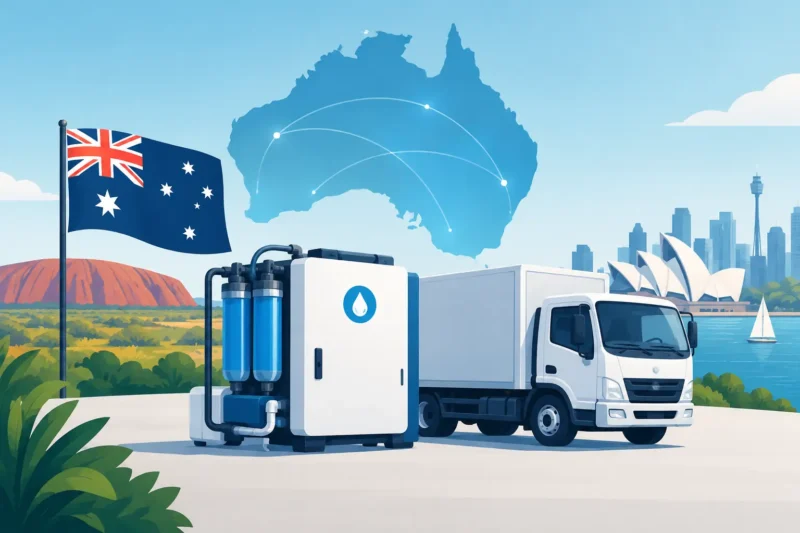
Australia HHO Distributors That Deliver Results – Oct 20. A high fuel bill is not a theory. It is money leaving your business every time a truck, ute, generator or boat goes to work. That is why buyers looking for Australian HHO distributors need more than a cheap hydrogen cell in a carton. They need the right system size, correct components, clear fitting support and evidence that the equipment has been designed to work in demanding Australian conditions.
An HHO system is not a magic bolt-on. It is a combustion-efficiency upgrade that needs to suit the engine, duty cycle and electrical system. When the kit is selected and installed properly, on-board hydrogen supplementation can support cleaner combustion, smoother engine operation and measurable fuel-saving potential. When it is poorly matched or fitted without technical support, the result can be wasted time, unreliable operation and a customer who loses confidence in the technology.
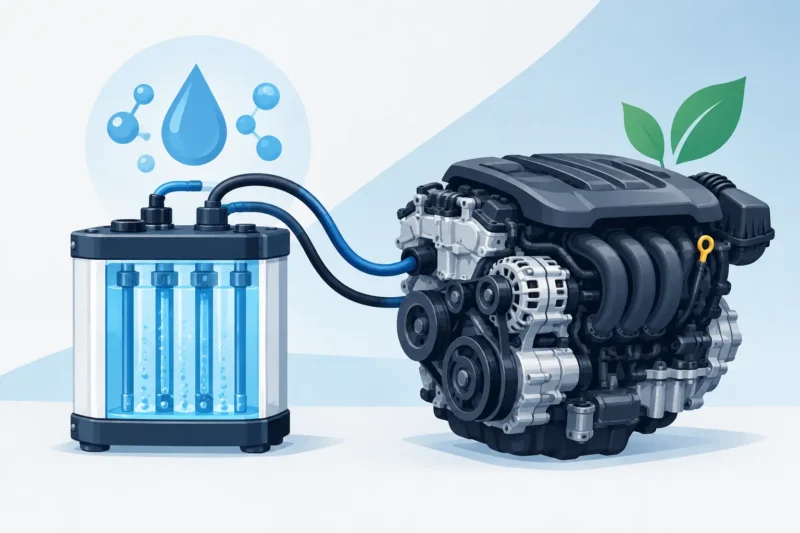
A serious distributor sells a working system, not just a generator. The difference matters. HHO equipment relies on a coordinated package of components: the generator, power supply, wiring protection, reservoir, filters, hoses, fittings and mounting hardware. Each part has a job. Leave out the wrong component or substitute it with a low-grade alternative and the system can become difficult to maintain or unable to perform consistently.
The distributor should be able to explain which kit suits the application and why. A small petrol passenger vehicle, a diesel 4WD towing a caravan, a heavy truck, a marine engine and a stationary generator do not have the same requirements. Engine displacement is one factor, but it is not the whole story. Hours worked, load, available mounting space, voltage, battery condition and access for servicing all affect the final recommendation.
A capable stockist will also provide practical installation material. That includes wiring diagrams, mounting guidance, maintenance instructions and a clear explanation of the consumables required to keep the unit operating correctly. If a supplier cannot tell you where a unit can be mounted, how it is fused, or how the electrolyte level is checked, they are not providing the support a working vehicle or fleet needs.

Generator output must be matched to the engine application. Too little capacity on a larger working engine may limit the benefit. Oversizing without regard to the vehicle’s electrical capacity, installation layout and use pattern can create unnecessary load and complexity.
This is where a defined range matters. Systems such as Gen 10, Gen 15, Gen 20 and Gen 25 give installers and customers a logical starting point for matching hydrogen production capability to different engine sizes and applications. The best choice is not automatically the biggest unit. It is the unit selected for the vehicle’s actual work.
For example, a commuter car with low annual kilometres has a very different payback equation from a diesel work ute travelling regional routes every week. A generator running long, steady hours may be a stronger candidate for close monitoring because fuel use and operating conditions are easier to measure. Fleet operators should assess individual vehicle routes and consumption records before deciding where a system delivers the best commercial return.
HHO systems draw electrical power, so the vehicle charging system must be in sound condition. A quality distributor will ask about alternator capacity, battery health and the intended electrical layout. They should supply appropriate power components, fusing and switching arrangements rather than leaving the installer to improvise.
This is basic mechanical discipline. A clean installation protects the vehicle and makes future servicing easier. Cables should be routed away from excessive heat and moving parts, connections should be secure, and all hoses and fittings should be checked as part of scheduled maintenance. Good hardware deserves good workmanship.
HHO buyers are right to ask questions. Fuel savings, emissions improvements and engine-response claims need to be supported by more than a sales pitch. Look for a distributor that can provide product specifications, test material, certification documents where applicable, installation manuals and genuine application information.
The strongest suppliers build their case around repeatable processes. They can show how the equipment is installed, what maintenance is expected and how performance should be assessed. They do not tell every customer to expect the same percentage saving, because real-world results vary with engine condition, fuel quality, load, driving style, terrain and maintenance history.
That does not weaken the opportunity. It makes the evaluation more credible. A customer operating a fleet should establish a baseline before installation, then track fuel consumption over a meaningful distance or operating period. Record litres used, kilometres travelled, hours run, payload or work performed, and any major changes in route or driver behaviour. For marine and generator applications, use engine hours, load profile and fuel consumed per hour.
A distributor worth working with will welcome this approach. Measured results build confidence, identify the best applications and make it easier to justify wider rollout across a fleet.
Before choosing a supplier, ask direct questions. Which system is recommended for this engine, and what is the basis for that recommendation? Is the kit supplied with the power components, filter, fittings and instructions needed for a complete install? What maintenance is required, and which replacement parts are readily available in Australia?
Ask about after-sales support as well. If an installer needs a wiring clarification or a replacement fitting, delays cost money. This is particularly important for owner-drivers, transport operators and tradespeople whose vehicles cannot sit idle waiting for an answer.
You should also ask how the supplier handles fitment limitations. Some engine bays have restricted space. Some vehicles have complicated electrical layouts. Some applications will require professional installation to achieve a safe, tidy result. A supplier who explains these issues early is protecting the customer, not talking themselves out of a sale.
Finally, distinguish between a system intended for off-road, stationary, marine or general engine-use applications and any vehicle that will be operated on public roads. The owner and installer must ensure the completed vehicle meets relevant Australian laws, insurance requirements and engineering or modification obligations. A credible distributor does not make compliance disappear with a marketing claim.
Australia is hard on equipment. Heat, corrugations, dust, salt air, long distances and high operating hours expose weak components quickly. Local access to parts and technical advice is not a minor convenience when a truck is on a run, a vessel is booked for work or a generator is supporting site operations.
For customers in Perth, Brisbane, Sydney, Melbourne and regional areas, the practical advantage is having a supplier that understands Australian vehicle use rather than simply forwarding an imported kit. Hydrogen Fuel Systems focuses on application-specific HHO equipment, technical documentation and replacement support so customers can make a commercial decision based on the job the engine actually performs.
Becoming an HHO distributor can make sense for workshops, auto electrical businesses, diesel specialists and performance-focused operators already trusted by customers. The opportunity is not merely reselling hardware. It is adding a fuel-efficiency and combustion-improvement option to conversations that are already happening around operating cost, emissions and engine performance.
The right distributor partner should provide product training, clear system-selection guidance, technical documents and dependable supply. Your reputation is attached to every kit you fit or recommend. Avoid products that rely on vague claims, missing installation data or hard-to-source replacement parts.
Start with applications you know well. A workshop servicing diesel 4WDs may begin with touring and towing customers. A business that works with generators may focus on steady-hour equipment where consumption can be tracked closely. Build results carefully, document the installation standard and let real operating data do the selling.
The best HHO decision starts with an honest look at the engine, the workload and the fuel bill. Choose a distributor that can match all three, support the installation and stay available after the sale. That is how an HHO system becomes a practical operating-cost tool rather than another unproven accessory.
by Gavan Knox MSc, BSc, BEd, Inventor
WhatsApp call +61 403177183
contact gavan@hfuel.com.au
https://hydrogenfuelsystems.com.au
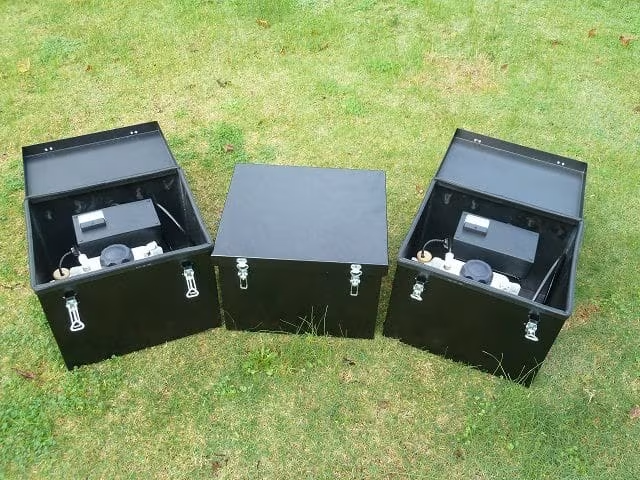
Brilliant Invention Gen 20 Hydrogen Generator ---(update Feb 7... Full Story
Will HHO Affect Turbochargers? Facts That Matter - Nov... Full Story
Marine Vessel HHO Fuel Trial for Real Fuel Savings... Full Story
HHO Kits That Make Hard-Working Engines Work - Nov... Full Story
Payment Methods Partner:

© 2026 Hydrogen Fuel Systems Pty Ltd