Brilliant Invention Gen 20 Hydrogen Generator July 2 2026
Brilliant Invention Gen 20 Hydrogen Generator ---(update Feb 7... Full Story


by Gavan Knox MSc, BSc, BEd, Inventor
WhatsApp call +61 403177183
contact gavan@hfuel.com.au
https://hydrogenfuelsystems.com.au
Gen 15 Kit Review for Hard-Working Engines – Nov 15. A Gen 15 kit is not a novelty accessory for a weekend runabout. This is an HHO system aimed at owners who put their engine to work: towing a caravan, hauling tools, running long regional kilometres, pushing a 4WD through soft country or keeping a generator online. In this Gen 15 kit review, the real question is simple: does the system suit the workload, the engine bay and the fuel bill you are trying to reduce?
For the right application, a correctly installed Gen 15 hydrogen generator kit can be a serious combustion-enhancement addition. It produces hydrogen and oxygen on board, feeding a controlled amount into the engine’s intake air to support a cleaner, more complete burn. That can translate to lower fuel use, improved throttle response, reduced visible smoke on suitable diesel applications and less carbon build-up over time. Results always depend on engine condition, duty cycle, driving style and installation quality. Anyone promising identical savings on every vehicle is not being straight with you.
The Gen 15 sits in the middle-to-upper part of the HHO kit range. It is generally a better fit for engines that consume enough fuel, and work hard enough, to justify a higher-output system than a small passenger-car kit. Think utes used for trade work, heavier 4WDs, light trucks, diesel vans, marine engines and generator applications with meaningful run hours.
That does not mean bigger is automatically better. An HHO system needs to be matched to the engine and its operating demand. Fitting a system that is too small may limit the benefit. Fitting one that is poorly matched, incorrectly wired or badly plumbed can create avoidable problems and will not deliver the result you bought it for.
The Gen 15 is most compelling where fuel consumption is already a line item, not an occasional annoyance. If a vehicle only travels short distances or spends most of its time idling in suburban traffic, payback can take longer. For an owner-driver clocking up highway kilometres, a contractor towing daily or a generator operator buying fuel by the drum, the conversation changes quickly.
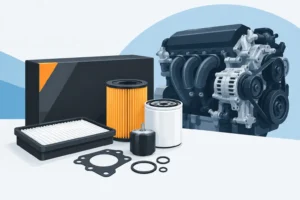
A proper kit is more than a cell bolted under the bonnet. The useful parts are the system around it: the power supply, wiring protection, water reservoir, hose, fittings, filter or bubbler arrangement and the installation guidance that keeps hydrogen production controlled and intake delivery safe.
The cell is the centrepiece, but electrical control matters just as much. Vehicle voltage varies, alternators work under different loads and engine bays are harsh places for cheap wiring. A properly designed power supply is there to manage the kit’s electrical demand rather than leaving the cell to run unchecked. That protects components and helps keep output consistent.
Installation hardware also deserves close attention. A system that cannot be mounted securely, serviced easily or routed cleanly is a poor fit, regardless of claims on a sales page. Look for sensible hose lengths, secure connections, accessible service points and instructions that specify where to take intake vacuum or boost reference for the application.
Hydrogen Fuel Systems positions its range around patented technology, supporting documentation and application-specific guidance. That is the standard buyers should demand from any supplier. Before fitting an HHO kit, ask for component specifications, installation information and evidence relevant to the engine type you run. A vague promise of massive fuel savings is not proof.
A Gen 15 kit earns its place on an engine that sees sustained load. Diesel engines are often a strong candidate because they commonly operate with excess air and can accumulate carbon through stop-start work, short trips or extended idling. Petrol engines can also benefit when the kit is properly selected and installed, but the intake layout and engine management system still need to be considered.
For a towing 4WD, the value is not only at cruise speed. Towing puts consistent load on the engine, which is where a well-matched hydrogen assistance system has the best chance to prove itself. The same applies to a tradesperson’s ute carrying stock and equipment every day. A modest percentage improvement on high annual fuel spend can matter more than a dramatic claim on a lightly used vehicle.
Marine and generator applications can be particularly attractive because operating hours are easier to track. Fuel used per hour, load level and service intervals can be recorded accurately. That makes it easier to judge whether the kit is delivering a commercial return rather than relying on a dashboard estimate.
The biggest difference between a system that works well and one that disappoints is usually not the cell. It is the installation. Mounting location, electrical protection, hose routing, water quality and intake connection all affect reliability and performance.
The kit should be installed away from excessive heat, moving components and areas likely to flood with water or mud. Hoses must be secured, protected from abrasion and kept clear of sharp edges. Electrical connections need correct fusing, sound earth points and routing that will not chafe through after six months on corrugated roads.
Water management is another practical issue. The system needs the correct electrolyte and clean water specified for the kit, with periodic checks of fluid level and condition. Neglect this basic maintenance and output can drop. Overfilling, using unsuitable additives or ignoring contamination is an easy way to turn a worthwhile system into a frustrating one.
Modern engines also require care around sensors and engine management. Do not bypass factory safety systems or make changes that create fault codes simply to chase a claimed gain. If the vehicle is turbocharged, common-rail diesel or fitted with complex intake and emissions equipment, fitment should follow application-specific advice. Professional installation is sensible for operators without strong 12-volt and mechanical experience.
Fuel savings should be measured over enough kilometres to mean something. One tank of fuel is not a test. Wind, load, traffic, tyre pressure, terrain, fuel blend and driving behaviour can move consumption significantly from one fill to the next.
Start with a baseline. Record several full-tank fill-ups before installation, using the same calculation method each time. Track kilometres travelled, litres added, average load and the type of work completed. After installation, keep recording under comparable conditions. Fleet operators should use fuel-card data or telematics where available, while generator and marine users can log litres per operating hour.
Pay attention to more than litres per 100 km. A driver may notice cleaner acceleration, reduced smoke under load or less hesitation before the fuel data has built up. These are useful observations, but they are not a substitute for a proper fuel record. The financial decision should come from repeatable numbers.
The Gen 15 kit is not a repair for a worn-out engine. It will not fix leaking injectors, a blocked air filter, poor compression, a failing turbocharger or a vehicle with overdue servicing. Deal with existing faults first. Hydrogen enhancement performs best when it supports a mechanically sound engine.
There is also an upfront cost, installation time and ongoing inspection requirement. Owners who never check fluids, wiring or service items should not expect a fit-and-forget result. The system needs basic attention, just like any auxiliary engine equipment.
Legal and insurance requirements also vary. Australian owners should check the rules that apply to their state or territory, the vehicle’s registration category and any insurer or fleet policy requirements before modifying a vehicle. This is particularly relevant for commercial fleets, engineered vehicles and machinery operating on regulated sites.
Choose the Gen 15 when the engine has enough displacement, fuel use and sustained workload to justify it. For a lightly used small car, a smaller system may be the more sensible purchase. For a high-consumption truck, large marine engine or heavy generator, a larger system may be required. Correct sizing is not an upsell exercise. It is what determines whether the installation delivers useful output and a believable return.
The best buyers are the ones who know their current fuel figures, maintain their equipment and are prepared to measure the change. Fit the kit to a healthy engine, install it properly, record the numbers and let the operating cost tell you whether the Gen 15 has earned its place under the bonnet.
Saturday, November 14, 2026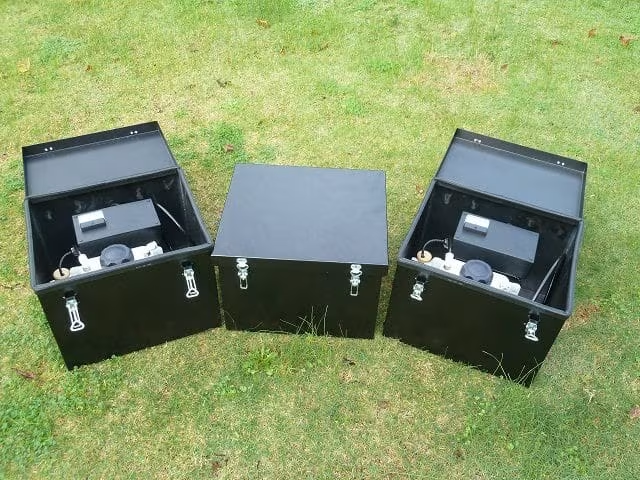
Brilliant Invention Gen 20 Hydrogen Generator ---(update Feb 7... Full Story
Will HHO Affect Turbochargers? Facts That Matter - Nov... Full Story
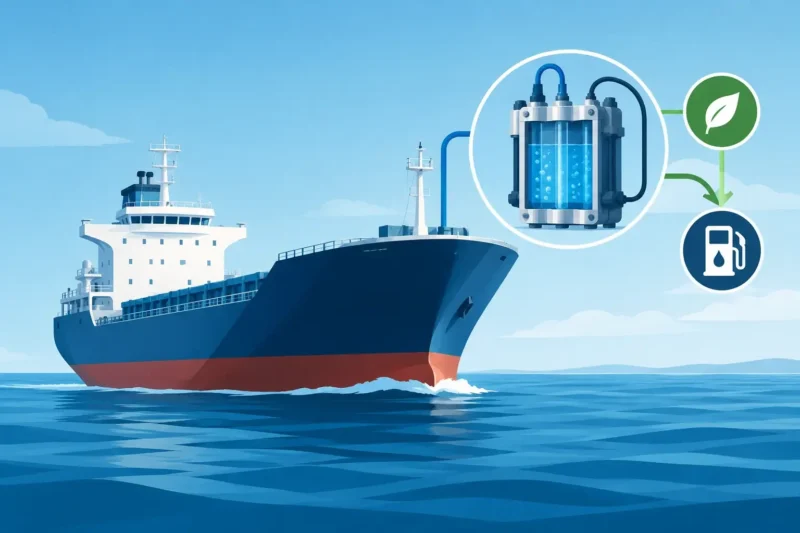
Marine Vessel HHO Fuel Trial for Real Fuel Savings... Full Story
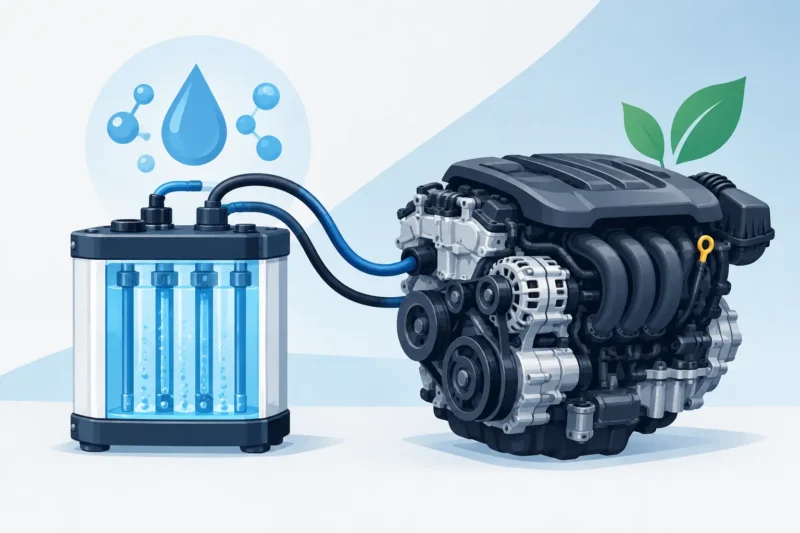
HHO Kits That Make Hard-Working Engines Work - Nov... Full Story
Payment Methods Partner:

© 2026 Hydrogen Fuel Systems Pty Ltd