Brilliant Invention Gen 20 Hydrogen Generator July 2 2026
Brilliant Invention Gen 20 Hydrogen Generator ---(update Feb 7... Full Story


by Gavan Knox MSc, BSc, BEd, Inventor
WhatsApp call +61 403177183
contact gavan@hfuel.com.au
https://hydrogenfuelsystems.com.au
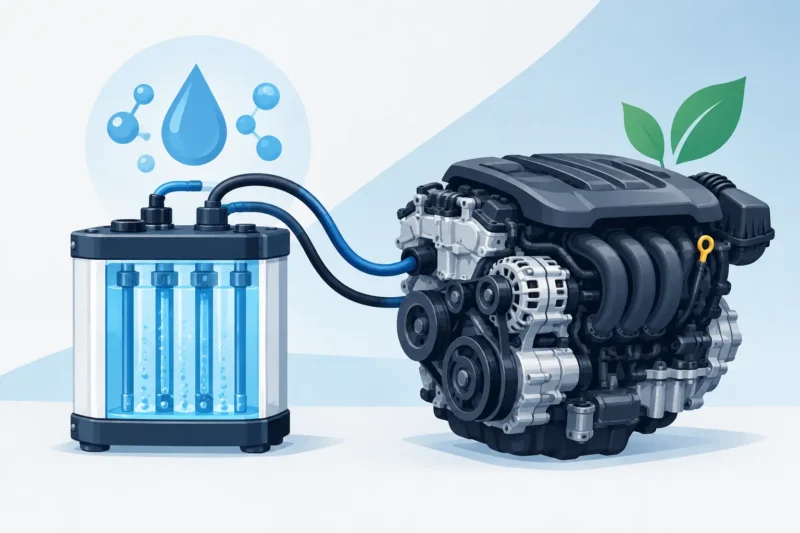
HHO Kits That Make Hard-Working Engines Work – Nov 16. A diesel work ute that burns through fuel on site, a long-haul truck pulling weight every day, or a generator running for hours cannot afford wasted combustion. HHO kits are built for operators who want to get more useful work from every litre – with on-board hydrogen generation supporting a faster, more complete burn inside an internal combustion engine.
This is not a gimmick for people chasing dashboard lights and wishful thinking. A correctly selected, properly installed hydrogen generator system is a practical engine enhancement designed around the things that matter: fuel use, torque response, exhaust quality and long-term operating costs. The right kit depends on the engine, its workload and how consistently it is used.
An HHO system uses electrical power from the vehicle or machine to separate water into hydrogen and oxygen gas. That gas is generated on demand, filtered and introduced into the engine’s intake. It is not stored under pressure like a conventional fuel tank. Production occurs while the engine is operating.
Hydrogen has a very fast flame speed. When introduced in the correct amount, it can help initiate combustion more efficiently across the air-fuel charge. The objective is not to replace diesel or petrol. It is to support the fuel already being used so less of it is wasted as incomplete combustion, soot and heat.
For a hard-working diesel, that can mean a cleaner burn, crisper throttle response and reduced visible smoke under load. Petrol engines can also benefit from more consistent combustion. Generator and marine operators often look at HHO because a fixed-speed engine running for long periods gives them a clear baseline for tracking fuel consumption before and after installation.
Results always depend on the engine’s condition, duty cycle, tuning and installation quality. A tired engine with blocked filters, injector faults or poor compression needs mechanical attention first. An HHO kit is an enhancement system, not a substitute for servicing.
Fuel is one of the largest controllable costs in transport, construction, agriculture, boating and standby power. If a vehicle or machine uses a lot of fuel, even a modest improvement in combustion efficiency can become meaningful over a month or a year.
The strongest case is usually a vehicle that works for a living. Think courier vans doing repeated urban kilometres, utes carrying tools, 4WDs travelling remote tracks, trucks covering long highway routes, fishing boats under sustained load and generators supporting worksites. These applications burn enough fuel for owners to measure change properly rather than relying on a single trip computer reading.
A well-matched system may also support cleaner exhaust output by reducing unburnt fuel and particulate-producing incomplete combustion. That matters for operators working around people, in enclosed or semi-enclosed areas, and in fleets under pressure to reduce emissions without immediately replacing serviceable equipment.
There is also a mechanical reason to look closely at combustion quality. Excess soot and incomplete burn can contribute to carbon build-up throughout the intake and exhaust system. Cleaner combustion will not erase existing mechanical problems, but reducing the conditions that create deposits can support a healthier operating environment over time.
System size is not about buying the biggest unit available. It is about matching gas production to engine capacity and workload. Too small and the system may not deliver enough support to be worthwhile. Too large and you are adding unnecessary electrical demand and installation complexity.
Hydrogen Fuel Systems offers Gen 10, Gen 15, Gen 20 and Gen 25 configurations for different vehicle and equipment applications. The correct choice starts with engine displacement, fuel type and normal load, then considers the available mounting space and electrical system.
Smaller-capacity engines and light commercial vehicles generally suit a compact system when the vehicle is regularly driven. A commuter car that only does short trips has less opportunity to show measurable fuel savings than a ute covering high weekly kilometres with tools or stock on board.
For a petrol or diesel ute, consider real duty rather than the badge on the bonnet. An unloaded vehicle doing suburban runs has different needs from the same model towing a trailer, servicing regional clients or carrying trade equipment every day.
Larger engines operating under sustained load require a system selected for that higher airflow and fuel demand. This is where the benefit of application-specific sizing becomes obvious. A touring 4WD, a delivery truck and a towing vehicle may all have diesel engines, but their operating temperatures, load profiles and fuel consumption can be very different.
Heavy-duty use also makes installation discipline non-negotiable. Components must be mounted securely, hose routing must be protected from heat and abrasion, and electrical connections must handle vibration and weather exposure.
Marine and generator applications deserve a separate assessment. Space, ventilation, corrosion protection and electrical layout can differ sharply from road vehicles. For generators, record litres consumed per hour at a consistent load before installation. For boats, compare fuel use over repeatable operating conditions rather than one trip affected by wind, tide and vessel load.
A hydrogen generator kit is only as good as its installation. The cell, reservoir, hoses, wiring, fuse protection, filters and intake connection must work together as a system. Cutting corners here is how otherwise capable equipment gets blamed for poor results.
Start with a solid mounting position away from excessive exhaust heat, moving components and areas likely to collect road spray. The unit needs access for routine checks and topping up with the specified fluid. Secure brackets matter, particularly on corrugated roads, work vehicles and marine applications where vibration is constant.
Electrical supply should be properly fused and connected according to the supplied instructions. The system should run when intended, not flatten the battery while the vehicle is parked. Hose runs need to be neat, protected and checked for kinks or leaks. The intake connection must be correctly positioned so generated gas enters the engine safely and consistently.
Modern vehicles can require more than physical fitment. Electronic engine management, sensors and emissions equipment must be respected. Do not bypass factory safety or emissions systems to force a result. If an application needs tuning, sensor management or specialist advice, get that advice before installation. Australian roadworthiness, emissions and insurance requirements also need to be considered for the particular vehicle and state or territory.
The quickest way to lose confidence in any fuel-saving upgrade is to judge it from one tank of fuel. Driving conditions change. Payload changes. Traffic, idling time, tyre pressures, weather and driver behaviour all affect consumption.
Build a usable baseline first. Record several fuel fills, kilometres travelled, litres used, load carried and the type of work completed. For equipment, track fuel per operating hour and keep the load as consistent as practical. Then compare the same information after installation across a meaningful period.
Pay attention to more than litres per 100 kilometres. Owners often notice throttle response, hill pulling ability, smoke reduction and smoother running under load before they have enough data to calculate a reliable fuel figure. These observations are useful, but the fuel records are what turn an opinion into an operating decision.
If results are below expectation, check the basics: engine service condition, system output, wiring, fluid level, hose integrity and the suitability of the kit for the application. Diagnosis beats guesswork every time.
HHO kits make the strongest commercial sense where fuel burn is regular and measurable. Fleet operators, owner-drivers, tradies, rural businesses, marine operators and generator users can all assess return on investment against known usage. The more consistent the workload, the easier it is to see what the system is contributing.
They are less compelling for vehicles that sit in the shed most of the year or travel very low kilometres. That is not a fault with the technology. It is a simple payback calculation. High-use assets create more opportunity for fuel savings, while low-use assets take longer to justify any upgrade.
Choose a kit that matches the engine, install it properly, maintain it as instructed and measure the result against real operating data. That is how an HHO system stops being a workshop conversation and starts earning its place on the vehicle, vessel or machine.
Sunday, November 15, 2026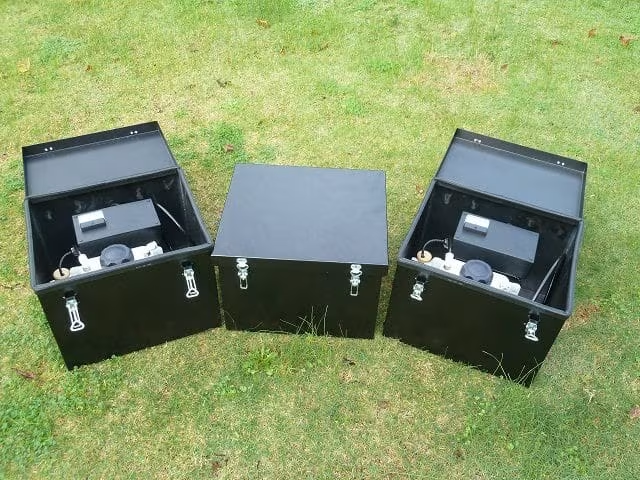
Brilliant Invention Gen 20 Hydrogen Generator ---(update Feb 7... Full Story
Will HHO Affect Turbochargers? Facts That Matter - Nov... Full Story
Marine Vessel HHO Fuel Trial for Real Fuel Savings... Full Story
HHO Kits That Make Hard-Working Engines Work - Nov... Full Story
Payment Methods Partner:

© 2026 Hydrogen Fuel Systems Pty Ltd