Brilliant Invention Gen 20 Hydrogen Generator July 2 2026
Brilliant Invention Gen 20 Hydrogen Generator ---(update Feb 7... Full Story


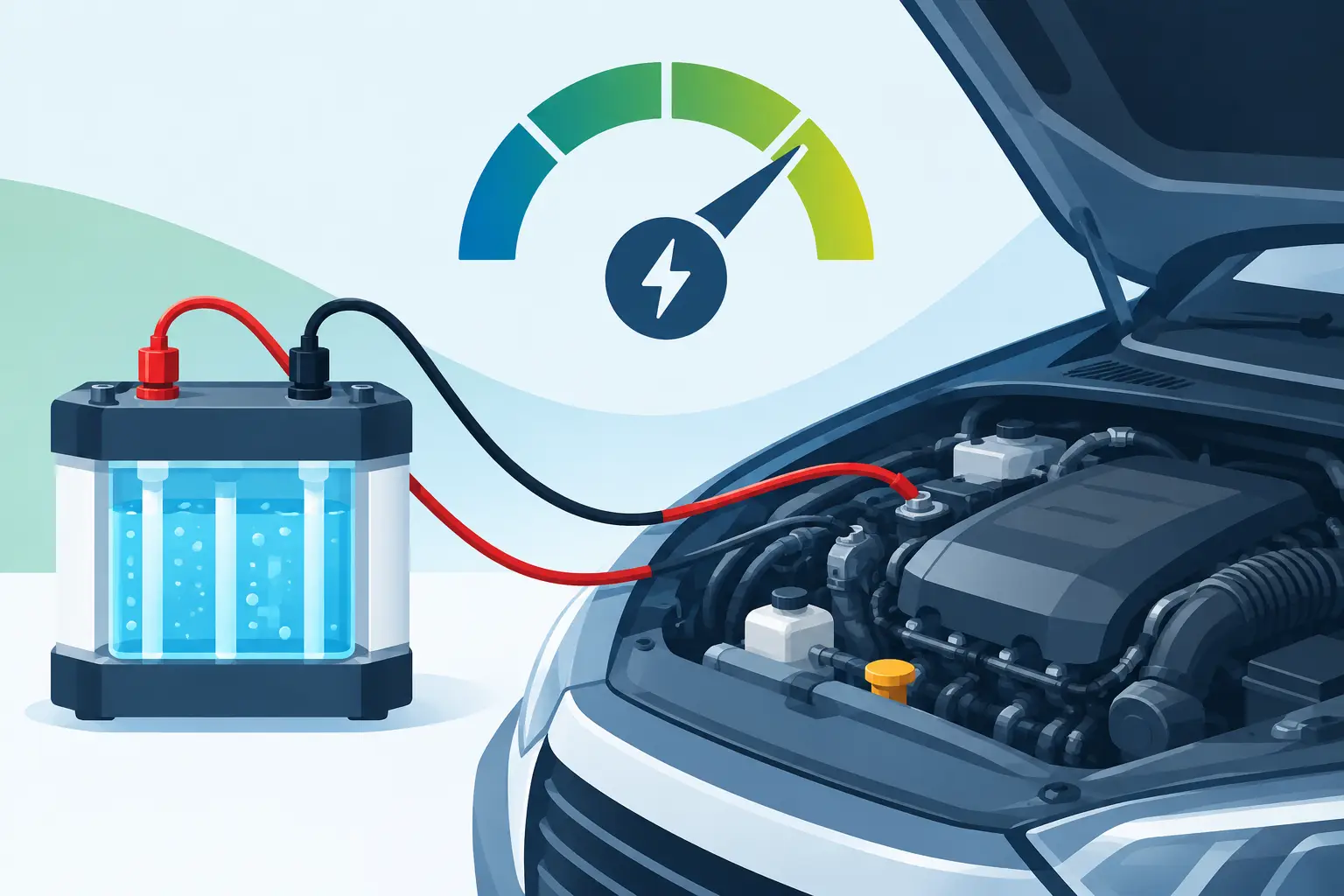
An HHO system that draws too little current can leave combustion benefits on the table. One that draws more current than the vehicle can comfortably support can create voltage drop, unnecessary alternator load and unreliable operation. Knowing how to choose HHO amperage means matching the generator to the engine, its duty cycle and the electrical system that has to power it.
For a commuter car, the answer is very different to a loaded diesel ute, a long-haul truck, a marine engine or a generator running day after day. Bigger is not automatically better. Correctly matched is better.
Amperage is the electrical current drawn by the HHO generator. In practical terms, it affects the rate at which the cell produces hydrogen and oxygen gas. More current generally means more gas production, but it also means more heat, more load on the charging system and greater demand on cables, fusing and electrical connections.
The goal is not to chase the highest amp figure. The goal is to run enough HHO production to suit the engine’s air and fuel throughput without overworking the vehicle’s alternator or creating an installation that cannot hold stable voltage under real operating conditions.
A generator that performs well in a workshop at idle can behave very differently on the road. Headlights, air conditioning, electric cooling fans, fridge units, winches, work lights and trailer accessories all compete for alternator output. That is why amperage must be selected for the vehicle’s actual working conditions, not just engine capacity on paper.
Engine displacement gives you a useful starting point, but it is only one part of the decision. A lightly driven 2.0-litre petrol sedan and a 2.0-litre diesel vehicle towing equipment may have similar capacity, yet their fuel demand and operating loads are nowhere near the same.
Consider how the engine earns its keep. A city car spends time at low load and short trips. A 4WD may pull hard over long distances, often with added accessories. A truck or generator may operate for hours at a stable, high load. The harder and longer the engine works, the more important correct HHO output becomes.
As a general rule, smaller passenger vehicles usually suit lower-current systems, while larger displacement engines and consistently loaded applications may justify greater HHO capacity. The final choice should still be based on the generator’s specified current draw and gas output, not a vague assumption that a larger engine needs the largest available unit.
A high-fuel-use application is often a stronger candidate for a larger HHO system than an engine-size comparison alone suggests. A 3.0-litre diesel used for occasional weekend driving has a different operating profile to the same engine covering thousands of kilometres each month for work.
For fleet vehicles, generators, marine engines and transport applications, fuel consumption provides a practical benchmark. More fuel burned over more operating hours creates greater opportunity for combustion improvement and a faster payback from the right system. It also means the electrical installation needs to be built properly from the start.
The alternator is the deciding factor many installers overlook. Its advertised maximum output is not necessarily the spare capacity available to an HHO generator. At idle, alternator output is lower. At the same time, modern vehicles may already be supporting electronic control systems, fans, lighting, charging ports, pumps and factory accessories.
Before adding any HHO load, identify the alternator’s rated output and estimate the vehicle’s normal electrical demand. Then allow a realistic margin. If the system voltage falls when accessories switch on, the vehicle does not have enough electrical headroom for a high-current HHO setup without an alternator upgrade or a different system choice.
Watch for these signs that amperage is too aggressive for the charging system:
A quality setup should operate predictably. If the electrical system is struggling, forcing more amperage through the cell will not deliver better results. It creates a weak point that can compromise the entire installation.
HHO amperage is not a number you choose in isolation. The generator cell, power supply, relay, fuse, cable size and electrical connections must all be rated for the intended continuous current draw.
Cable that is too small creates resistance and heat. Poor earth points reduce performance and can produce inconsistent current. An undersized fuse may nuisance-trip, while an oversized fuse can fail to protect the wiring properly. The system should be fused close to the battery, switched through an appropriately rated relay and installed with clean, secure connections.
This matters even more in Australian conditions. Under-bonnet heat, corrugated roads, dust, water crossings and long-distance driving expose weak installations quickly. A tidy installation using correctly rated components is not cosmetic. It is part of reliable HHO operation.
Do not rely on a dashboard voltmeter alone. Confirm voltage at the battery and, where appropriate, at the HHO power connection with the engine running and accessories switched on. A significant voltage drop between those points points to resistance in the cable run, connectors or earth path.
Modern alternator systems are often ECU-managed and may vary charging voltage according to battery state, temperature and vehicle load. This can change HHO current during normal driving. A system that is well matched and properly controlled will cope with these variations far better than one tuned to its absolute limit.
The target is stable, repeatable operation. Set the system according to the generator’s approved specification, then monitor it during real use. Do not alter current settings simply because a higher number sounds more powerful. Excess current can increase heat and electrolyte consumption without delivering a proportional improvement in engine results.
A practical approach is to select the generator size first, then confirm that its designed amperage fits the vehicle’s electrical capacity. Hydrogen Fuel Systems offers generator sizes for different applications, including passenger vehicles, 4WDs, trucks, marine engines and generators. The right model is the one that matches both engine demand and available charging capacity.
For smaller petrol and diesel vehicles, a lower-current system is often the sensible choice. These vehicles need a compact, efficient installation that does not consume the electrical reserve needed for daily driving accessories.
For larger 4WDs, work utes and towing vehicles, the decision depends on engine size, accessory load and alternator output. A touring vehicle with dual batteries, a compressor, fridge and driving lights must be assessed more carefully than a standard vehicle with the same engine.
For trucks, plant, generators and marine applications, continuous operation changes the calculation. These machines can burn substantial fuel and benefit from application-specific HHO capacity, but they also need wiring, charging and cooling arrangements built for sustained load. In these cases, documented operating data is more valuable than a generic amp recommendation.
After installation, check the system when the engine is cold, at idle, at cruising speed and under load. Turn on the accessories the vehicle normally uses. If it is a work vehicle, test it while loaded. If it is a boat or generator, test it during the operating cycle that matters most.
Record battery voltage, current draw, electrolyte level and engine operating behaviour. For commercial vehicles, track fuel use over comparable routes, loads and driving conditions. One tank of fuel is rarely enough to judge a change. Consistent records reveal whether the system is correctly matched and whether operating conditions are affecting results.
Expect the best outcome from a vehicle that is mechanically sound. Address fault codes, air leaks, poor injectors, blocked filters, charging faults and maintenance issues before judging any HHO system. Hydrogen enhancement is designed to support cleaner, more efficient combustion. It cannot repair an engine with underlying mechanical problems.
The right HHO amperage is the level your engine can use and your electrical system can support every day, not the highest figure a cell can be pushed to produce. Start with the application, verify alternator headroom, use correctly rated wiring and measure performance under the conditions that cost you fuel.
That approach gives you a system built for dependable kilometres, productive operating hours and measurable savings – exactly where an HHO installation needs to prove itself.
Tuesday, November 17, 2026
Brilliant Invention Gen 20 Hydrogen Generator ---(update Feb 7... Full Story
An HHO system that draws too little current can... Full Story
Will HHO Affect Turbochargers? Facts That Matter - Nov... Full Story
Marine Vessel HHO Fuel Trial for Real Fuel Savings... Full Story
Payment Methods Partner:

© 2026 Hydrogen Fuel Systems Pty Ltd