Brilliant Invention Gen 20 Hydrogen Generator July 2 2026
Brilliant Invention Gen 20 Hydrogen Generator ---(update Feb 7... Full Story
Perth, West Australia





by Gavan Knox MSc, BSc, BEd, Inventor
WhatsApp call +61 403177183
contact gavan@hfuel.com.au
https://hydrogenfuelsystems.com.au
Combustion Technology That Makes Fuel Work Harder – Sept 17. A hard-working diesel, petrol engine, marine motor or generator is only as efficient as the burn it achieves inside the cylinder. Combustion technology is where fuel cost, torque, throttle response, exhaust quality and engine cleanliness meet. Get the burn right and more of the fuel’s energy is converted into useful work. Get it wrong and operators pay for it through higher consumption, smoke, deposits and sluggish performance.
For Australian owner-drivers, fleet managers, tradies and 4WD owners, this is not theory. It is the difference between an asset that earns its keep and one that keeps draining the fuel account.
Combustion is the controlled release of energy when fuel mixes with oxygen and ignites in the cylinder. Diesel engines use compression heat to start combustion. Petrol engines use a spark. Both rely on the same essentials: the correct air-to-fuel mixture, proper timing, sufficient cylinder pressure, clean injectors or fuel delivery, and a flame event that burns as completely as practical.
No engine achieves a perfect burn on every stroke. Load changes, injector wear, carbon build-up, poor fuel atomisation, altitude, intake restrictions and driving habits all affect combustion quality. A loaded ute climbing a long grade, a prime mover pulling freight, or a generator carrying a fluctuating site load faces very different conditions from a lightly driven passenger vehicle.
When combustion is less complete, some fuel energy leaves as heat or unburnt hydrocarbons rather than crankshaft power. In a diesel, that can show up as excess soot and carbon accumulation. In a petrol engine, it may appear as rough response, deposits and higher fuel use. Good combustion technology focuses on improving how consistently the fuel charge ignites and burns under real operating conditions.

The goal is not simply to make an engine burn hotter. Uncontrolled heat and pressure are not performance gains. The goal is a controlled combustion event that extracts more useful energy at the right point in the engine cycle.
A more stable, efficient burn can support stronger low-down torque, crisper response and reduced visible smoke in suitable applications. It can also reduce the amount of carbon-forming material entering the exhaust stream. That matters on vehicles with modern emissions equipment, but it matters just as much on older work vehicles where engine deposits and fuel bills are a constant operational issue.
There is a trade-off. Engines are calibrated systems. Changes to air supply, fuelling, ignition, injection timing or supplementary gas must be matched to the vehicle, its duty cycle and its condition. A
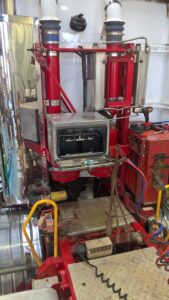

may not be the right size or setup for a small petrol car, a fishing vessel or a standby generator. Real results come from correct sizing, professional installation and evidence gathered over comparable use.
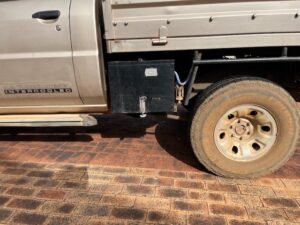
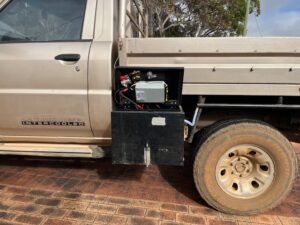

Hydrogen has a very low ignition energy and a fast flame speed compared with conventional hydrocarbon fuels. In an on-board hydrogen generator system, electrical power is used to produce a hydrogen-rich gas, often referred to as HHO, which is introduced into the engine’s intake air stream in controlled quantities.
The practical objective is combustion support, not replacement of the main fuel supply. The engine still runs on diesel or petrol. The supplementary gas is intended to assist ignition and flame propagation so the primary fuel charge can burn more effectively.
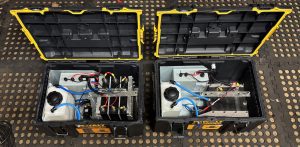
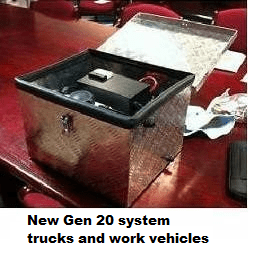
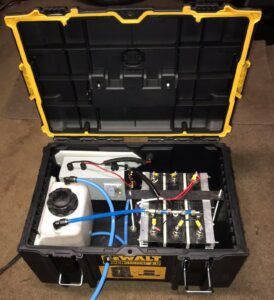
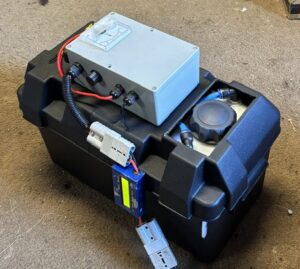
This is why system capacity matters. A Gen 10, Gen 15, Gen 20 or Gen 25 configuration must suit engine displacement, fuel type and the work being performed. Too little gas may produce no measurable difference. An incorrectly installed or poorly controlled system can create drivability, electrical or safety issues. There is no value in fitting hardware without following the supplied wiring, filtration, hose routing, safety and maintenance requirements.

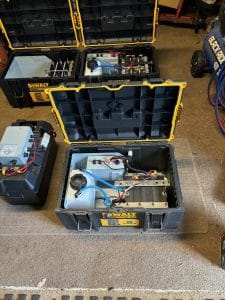
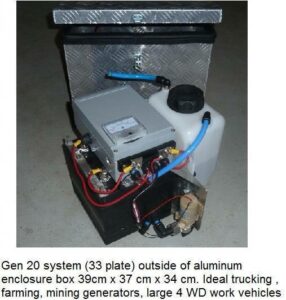

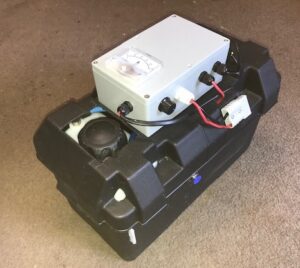
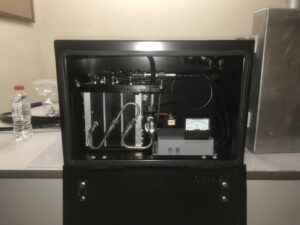

Fuel saving is the result buyers care about, but it should be measured properly. A one-off tank comparison is not enough. Wind, load, route, traffic, idling time, tyre pressure and operator behaviour can all move fuel figures dramatically.
For a meaningful assessment, establish a baseline over several normal operating cycles. Record litres purchased, kilometres travelled or hours run, average load, route type and idle time. Then compare the same data after installation over a similar period. Fleets should use litres per 100 km, litres per hour or litres per tonne-kilometre, depending on how the asset earns income.
This approach separates a real operational improvement from a lucky tailwind or a lighter load. It also gives operators evidence for payback calculations. If a vehicle saves fuel consistently across its usual duty cycle, the system can be assessed as a business investment rather than a workshop experiment.
Be realistic about variables. A well-maintained vehicle travelling long distances under steady load often provides clearer measurement than a short-trip urban vehicle with frequent cold starts. Results may vary between engines, drivers and applications. Any advertised performance or economy figure should be treated as a tested outcome under stated conditions, not a blanket guarantee for every vehicle.
No hydrogen enhancement system can repair a worn-out injector, blocked air filter, failing turbocharger, leaking intercooler hose or poor compression. Fix the basics first. That is where a practical installation begins.
Before fitting an on-board hydrogen system, check service history, fault codes, air filtration, boost integrity, injector condition, battery health and alternator output. Diesel engines should also be assessed for excessive soot production or existing emissions-system faults. Petrol engines need sound ignition components and no unresolved misfire issues.
Electrical capacity deserves particular attention. An electrolyser places a load on the vehicle’s charging system. The alternator and battery must be in good condition, wiring must be correctly fused, and connections must be protected from heat, vibration and moisture. Marine and off-road installations need extra care because salt, dust, movement and water exposure punish shortcuts.
A quality installation also includes suitable gas filtration, secure mounting, correct hose routing and safe separation from heat sources. The unit should be accessible for regular checks without creating a hazard under the bonnet or in an engine bay. This is not a fit-and-forget accessory. Inspect fluid level where applicable, electrical terminals, filters, fittings and mounting hardware as part of scheduled maintenance.
Combustion improvement is generally most valuable where fuel use is high, engines run regularly and the owner can measure performance. Long-haul transport, delivery fleets, agricultural equipment, generators, marine vessels, 4WD touring vehicles and high-kilometre work utes are obvious candidates.
The best application is not always the biggest engine. It is the engine with a repeatable operating pattern and a meaningful fuel bill. A generator running hundreds of hours each month can be easier to evaluate than a vehicle used sporadically. Likewise, a courier fleet travelling fixed routes can produce better before-and-after records than a recreational vehicle used only on weekends.
For distributors and workshop operators, that creates a straightforward conversation with customers: identify the engine, its fuel consumption, its duty cycle and its maintenance condition before recommending a system. Then match system size and installation components to the application. Technical documentation, test reports and installation guidance are not sales extras. They are the proof and process that protect the customer’s investment.
The aftermarket is full of big claims. Serious buyers should ask direct questions: What engine was tested? What was the load? How was fuel use measured? Was the vehicle mechanically sound? Were the results repeated? Is the system designed for that engine size and application? What installation and maintenance support is available in Australia?
That level of scrutiny is good business. It helps separate combustion technology built around controlled design and documented testing from cheap hardware sold on hope. It also ensures that emissions and compliance obligations are considered before any modification is made, particularly for fleet, commercial, marine and road-registered vehicles.
Hydrogen Fuel Systems approaches the category as an engine-efficiency solution for operators who want measurable outcomes, not vague talk. The right kit, correctly installed on the right vehicle, gives the owner a clear opportunity to track fuel consumption, engine response and operating costs where it counts – on the road, on site or on the water.
Start with the numbers your engine is already producing. Once you know its fuel burn, workload and mechanical condition, you can make a far sharper decision about whether combustion improvement has a place in your operation.
by Gavan Knox MSc, BSc, BEd, Inventor
WhatsApp call +61 403177183
contact gavan@hfuel.com.au
https://hydrogenfuelsystems.com.au
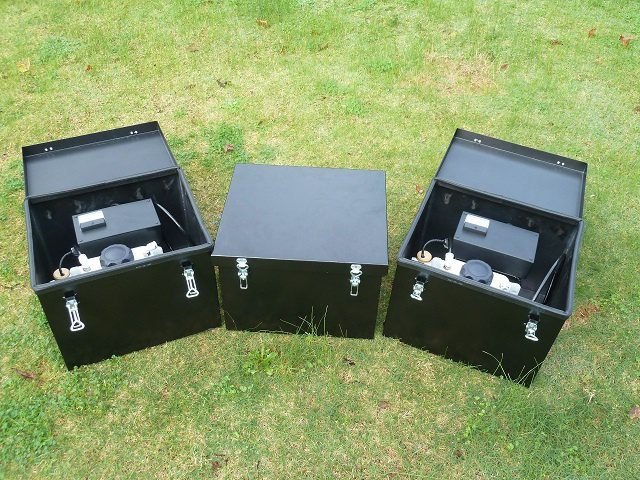
Brilliant Invention Gen 20 Hydrogen Generator ---(update Feb 7... Full Story

by Gavan Knox HFS whats app +61 403177183 gavan@hfuel.com.au... Full Story
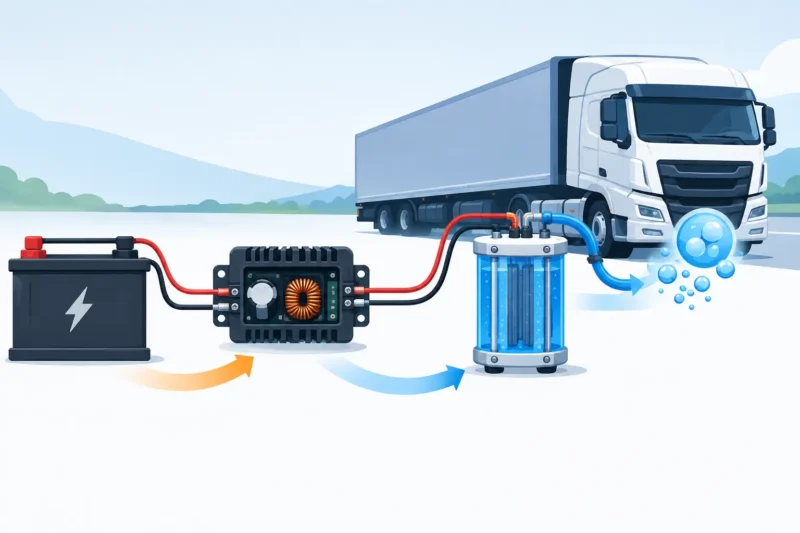
How 24V-to-13.8V Buck Configuration Regulators Affect HHO generation in... Full Story
A diesel that is smoking, using more fuel or... Full Story

How Do DC-DC Boost Regulators Affect Hydrogen Gas Production?... Full Story
Payment Methods Partner:

© 2023 - Hydrogenfuelsystems pty ltd