Brilliant Invention Gen 20 Hydrogen Generator July 2 2026
Brilliant Invention Gen 20 Hydrogen Generator ---(update Feb 7... Full Story
Perth, West Australia




by Gavan Knox MSc, BSc, BEd, Inventor
WhatsApp call +61 403177183
contact gavan@hfuel.com.au
https://hydrogenfuelsystems.com.au
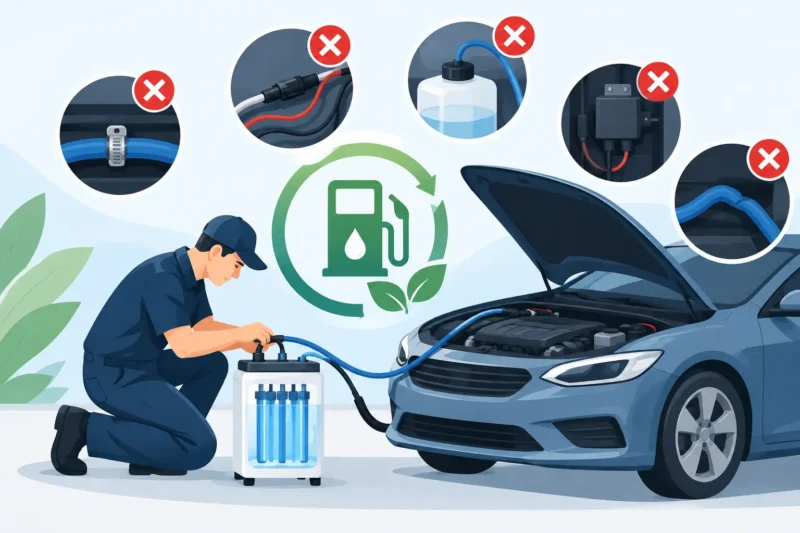
Five HHO Installation Mistakes That Cost Fuel – Sept 24. A hydrogen system does not deliver its best result because the box was bolted under the bonnet. It delivers when the generator, electrical supply, gas line and engine connection work as one controlled system. These five HHO installation mistakes are the reasons a promising fitment can become an unreliable, underperforming job that costs time, fuel and confidence.
For a high-use ute, road train, 4WD, marine engine or standby generator, installation quality matters as much as choosing the correct system size. Do the job once, do it cleanly, and give the engine the conditions it needs to use the hydrogen gas effectively.
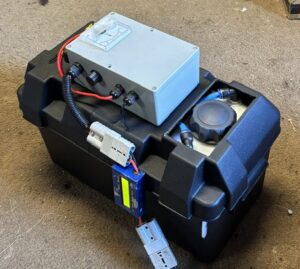
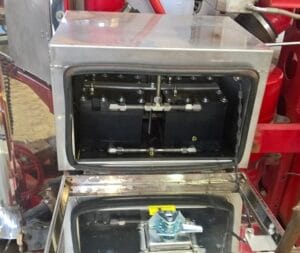

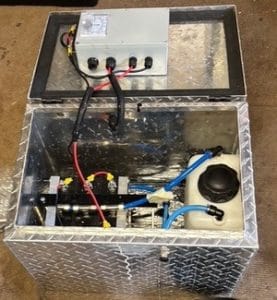
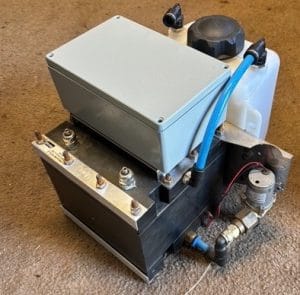
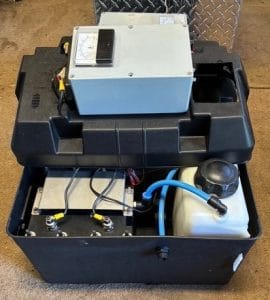
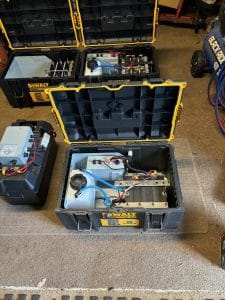
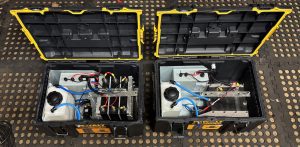

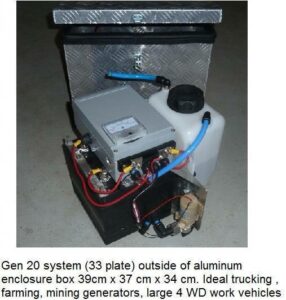

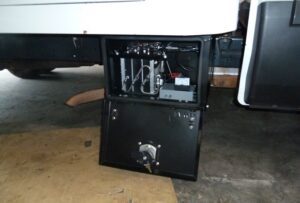
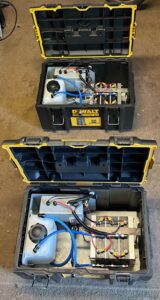
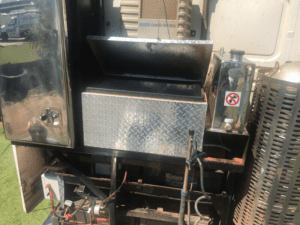
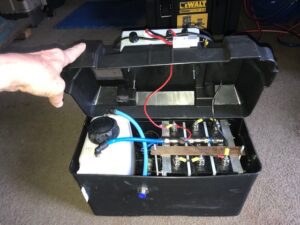
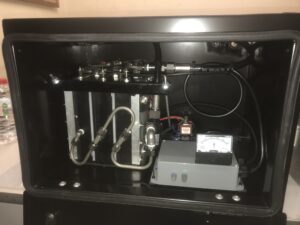
A lightly loaded passenger vehicle, a hard-working diesel ute towing every week, and a generator running at a fixed load have very different operating patterns. Fuel type, engine displacement, duty cycle, available mounting space and alternator capacity all need to be considered. A system that suits a city-driven petrol car is not automatically the right answer for a loaded 4WD or a commercial diesel fleet vehicle.
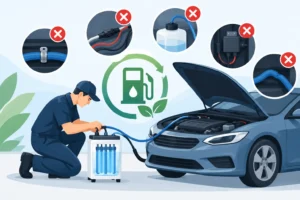
Start with the application, not the biggest number on the product page. Match the generator output to the engine and its workload, then follow the recommended current draw and installation layout. Correct sizing gives the system a fair chance to improve combustion efficiency without asking the vehicle’s charging system to carry an unreasonable burden.
HHO generators run on electrical power. That makes cable size, fusing, relays, connectors and earthing non-negotiable. A poor electrical installation is one of the fastest ways to create inconsistent output, blown fuses, voltage drop, overheated wiring or a generator that simply does not operate as intended.
Do not run undersized cable because it is what happens to be in the shed. Do not bypass a fuse because it keeps blowing. A fuse that repeatedly fails is reporting a fault, excessive current draw or an incorrect component choice. Covering up the warning can damage wiring and create a genuine safety risk.
Use suitably rated cable, quality crimp terminals, protected routing and secure earth points on clean bare metal where specified. The relay should switch the system with the ignition so the generator cannot continue operating after the vehicle is shut down. On modern vehicles, it also pays to confirm charging voltage under real operating conditions. A tired alternator or weak battery may be revealed when extra electrical demand is added.
For 12-volt and 24-volt applications, follow the supplied wiring diagram exactly. If the vehicle uses battery management, stop-start technology, sensitive electronics or aftermarket accessories, have the electrical side assessed by a competent automotive electrician. Saving a few minutes at installation is not worth chasing an intermittent fault for months.
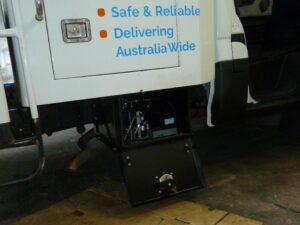
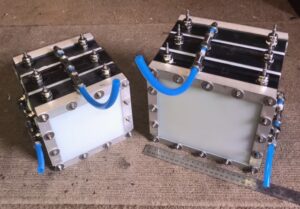




The first mistake happens before the spanners come out. Fitting a generator that is too small for the engine can limit the potential benefit. Fitting one that is unnecessarily large can create avoidable electrical load, packaging issues and tuning complications. Engine capacity is part of the equation, but it is not the whole story.
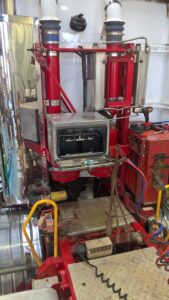
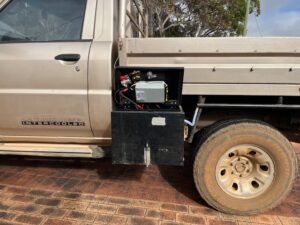
The engine bay is a brutal environment. Heat cycles, dust, vibration, water splash and road grime will expose every shortcut. A generator mounted on a flimsy bracket may look fine in the driveway, then fatigue a mounting point after thousands of kilometres on corrugated roads. A hose routed close to an exhaust component may harden, split or melt.
Choose a solid mounting point that supports the generator upright and allows access for checking fluid level, fittings and maintenance. Keep clear of extreme exhaust heat, moving belts, steering components and sharp edges. Where hoses or cables pass near an edge, protect them with suitable sleeving or grommets. Secure everything at sensible intervals so vibration cannot rub through a line or pull on a connector.
The same discipline applies to the water reservoir, filter, bubbler and any electronic control equipment supplied with the kit. They need clean, serviceable locations. Mounting a component in a place that requires half the engine bay to be removed for a basic inspection guarantees maintenance will be skipped.
This is particularly relevant for Australian conditions. A system that survives a short suburban commute may face a very different test on bulldust, heat and rough tracks outside town. Build for the vehicle’s actual job, not for the photo taken immediately after installation.
Hydrogen gas needs a controlled path from the generator to the engine intake. Incorrect hose routing, loose fittings, unsuitable clamps or a poorly placed intake connection can reduce effectiveness and create avoidable leaks. This is not an area for improvised plumbing.
Use the specified hose and fittings, keep the gas line as direct as practical, and avoid tight bends that can restrict flow. Check that every connection is secure and that the supplied safety components are fitted in the correct direction and order. A bubbler or flashback protection device is not optional decoration. It is part of the system design.
The intake connection point also matters. It must be positioned according to the installation instructions so the gas is introduced where it can be drawn into the engine consistently. Drilling the wrong section of ducting, leaving swarf behind, or creating an air leak after the airflow sensor can cause drivability problems that have nothing to do with generator performance.
Take the time to inspect the intake tract before drilling. Identify sensors, turbo plumbing, intercooler piping and factory breather lines. On turbocharged diesel engines, placement depends on the specific engine layout and the kit instructions. If you are unsure, stop and verify the approved location rather than guessing with a drill in hand.
The last of the five HHO installation mistakes is assuming the install is finished when the engine starts. A system needs commissioning. That means checking electrolyte level where applicable, confirming current draw, inspecting for leaks, verifying relay operation and ensuring the vehicle is charging correctly.
Then it needs follow-up. Check fittings after the first heat cycles and again after a period of driving. Inspect cable ties, brackets, hose routing and electrical terminals. Keep the reservoir and filters maintained according to the supplied schedule. Contaminated water, neglected filters or low fluid level can affect system operation and make the owner blame the kit for a preventable maintenance issue.
Measure results properly as well. One tank of fuel is not a reliable test, especially where load, wind, traffic, idling time and driving style change every day. For fleet, transport and machinery applications, record fuel use over comparable routes, loads and operating hours. For private vehicles, use several fuel cycles and consistent fill points. Accurate records turn a vague impression into useful evidence.
If the vehicle has an engine fault, intake leak, blocked filter, failing injector, worn turbo hose or charging problem, repair that first. Hydrogen enhancement is not a substitute for basic mechanical condition. A well-maintained engine gives any fuel-saving technology the best platform to perform.
A quality HHO system is a performance and operating-cost tool, not a universal fix for poor workmanship. The correct generator size, protected wiring, solid mounting, properly routed gas path and disciplined commissioning are what separate a professional installation from a costly experiment.
Hydrogen Fuel Systems kits are supplied for specific engine applications and should be installed to their documented requirements. If a step is unclear, get technical advice before altering wiring, drilling intake plumbing or starting the vehicle. The best time to prevent an installation fault is while the tools are still on the bench.
Please, having read this post call me on WhatsApp call +61 403177183, or email me and tell me what you think of my posts. Much of my work is obtained from university research work of my own and colleagues as well as work I am able to obtain from international research findings that I have access through a network of international Universities.
by Gavan Knox MSc, BSc, BEd, Inventor
WhatsApp call +61 403177183
contact gavan@hfuel.com.au
https://hydrogenfuelsystems.com.au
Wednesday, September 23, 2026
Brilliant Invention Gen 20 Hydrogen Generator ---(update Feb 7... Full Story

by Gavan Knox HFS whats app +61 403177183 gavan@hfuel.com.au... Full Story
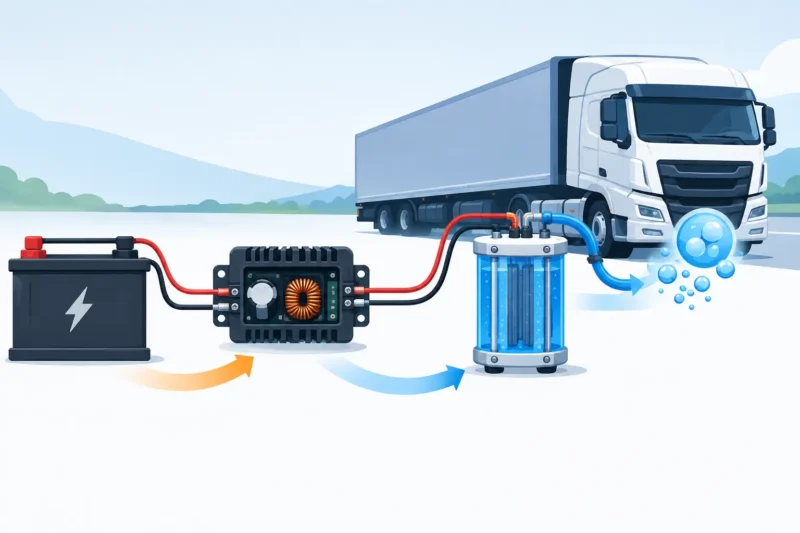
How 24V-to-13.8V Buck Configuration Regulators Affect HHO generation in... Full Story
A diesel that is smoking, using more fuel or... Full Story

How Do DC-DC Boost Regulators Affect Hydrogen Gas Production?... Full Story
Payment Methods Partner:

© 2023 - Hydrogenfuelsystems pty ltd