Brilliant Invention Gen 20 Hydrogen Generator July 2 2026
Brilliant Invention Gen 20 Hydrogen Generator ---(update Feb 7... Full Story
Perth, West Australia




by Gavan Knox MSc, BSc, BEd, Inventor
WhatsApp call +61 403177183
contact gavan@hfuel.com.au
https://hydrogenfuelsystems.com.au
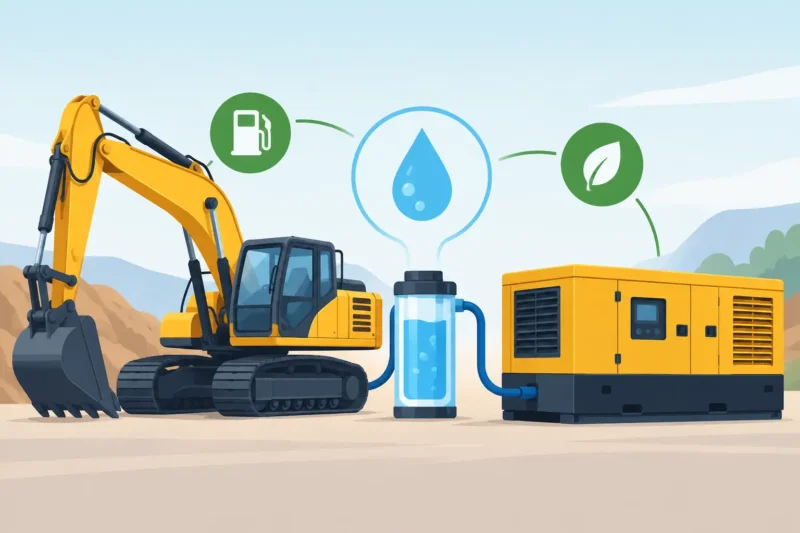
HHO Fuel Savings for Excavators and Generators – Sept 25. An excavator burning diesel all day on a civil site, or a generator carrying a remote load through the night, does not have much room for wasted fuel. HHO fuel savings for excavators and generators are about targeting that waste at the combustion stage: introducing a controlled hydrogen and oxygen gas supply to support a faster, more complete burn.
For machinery owners, the question is not whether hydrogen sounds impressive. It is whether the system can reduce litres per hour, maintain dependable output and produce savings that stand up on a spreadsheet. That comes down to correct system sizing, proper installation, realistic operating conditions and disciplined fuel measurement.
Excavators and diesel generators work hard for long periods. Their fuel use is easy to see, their operating hours are recorded and their costs are direct. A machine that saves even a modest amount of fuel per hour can return meaningful dollars over months of operation.
Diesel engines rely on compression ignition. Fuel atomisation, air supply, load, injector condition and combustion timing all affect how completely that fuel burns. When combustion is less efficient, part of the fuel energy is lost through heat, soot, deposits and unburnt hydrocarbons. That is where an on-board HHO system is intended to help.
An HHO generator uses electrical power from the machine to produce hydrogen and oxygen gas on demand. That gas is introduced into the intake air stream in carefully controlled amounts. Hydrogen has a very fast flame speed, which can help support the diesel combustion event. The practical objective is better burn quality, not replacing the diesel tank with water or making impossible claims about free fuel.
A correctly matched system may help reduce fuel consumption, lower visible smoke under load and improve throttle response. Results depend on the engine, duty cycle and the condition of the machine. A healthy, consistently loaded engine with accurate fuel records gives the clearest opportunity to verify a result.

There is no honest single percentage that applies to every excavator or generator. A 20-tonne excavator trenching in hard ground has a different load profile from a machine spending much of the day idling, tracking or swinging light material. The same applies to generators: a unit running at a stable 60 to 80 per cent load behaves very differently from one cycling between low load and peak demand.
Stable working loads are generally easier to assess because fuel consumption is more consistent. If a generator operates at a known electrical load for set hours, litres consumed before and after installation can be compared with far more confidence. For an excavator, tracking litres per hour across comparable jobs, operators and attachments provides a useful baseline.
Do not judge an HHO system on one tank of fuel or a single shift. Weather, ground conditions, idle time, operator technique, auxiliary hydraulic use and fuel quality can all distort the result. Measure across enough hours to remove the noise. For commercial equipment, a 50 to 100-hour comparison period is far more meaningful than a quick impression after installation.

The key figures are simple: litres per hour, litres per cubic metre moved where applicable, generator litres per kilowatt-hour, and total fuel spend per job. These numbers show whether the system is earning its place on the machine.
Large diesel equipment needs more than a small automotive kit fitted wherever space is available. The HHO generator capacity, electrical supply, wiring protection, water reservoir, gas hose routing and intake connection all need to suit the application.
Hydrogen Fuel Systems offers generator sizes from Gen 10 through to Gen 25 for different engine capacities and applications. The right choice is based on engine size, electrical capacity, available mounting space and expected working load. Bigger is not automatically better. An oversized system can create unnecessary electrical demand, while an undersized system may not provide enough gas volume to influence a hard-working engine.
On an excavator, mounting position matters. The unit must be protected from vibration, mud, heat and impact, while remaining accessible for routine water checks and servicing. Hoses must be secured away from exhaust components, sharp edges and moving hydraulic hardware. The electrical installation needs appropriately rated cable, fusing, relay control and a dependable ignition or run signal.
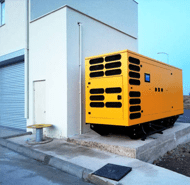
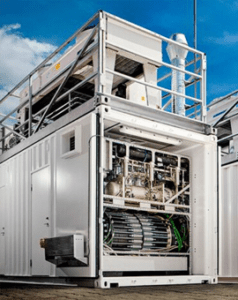
Generator installations demand the same care, with extra attention to heat and vibration. A fixed generator in a plant room or container may need a different mounting and ventilation approach from a trailer-mounted unit working on dusty sites. Never compromise safety systems, factory engine controls or emergency-stop functions to fit an aftermarket accessory.
HHO is not a repair for worn injectors, poor compression, blocked air filters, failing turbochargers or an engine with active fault codes. Those faults consume fuel and reduce output on their own. Fix the mechanical basics first, then assess hydrogen enhancement on an engine that is operating as it should.
For electronically controlled diesels, installation and tuning must also respect factory sensors and engine management. The aim is to support combustion without creating fault codes, incorrect readings or unreliable operation. A professional, application-specific installation is a business decision, not an optional extra.
Claims are easy. Records are proof. Before fitting an HHO system, establish a clear baseline using the same fuel source and the same type of work wherever possible. Record engine hours, fuel added, operating load and any unusual conditions.
For the cleanest assessment, use this process:
If consumption drops while output and reliability remain steady, the saving is real. If the machine’s work changes dramatically, do not force the numbers. Separate the data and keep measuring. Fleet operators who use telematics or fuel management software can make this process even stronger by pairing engine-hour data with fuel transactions and job records.
The strongest return is usually found on equipment with high annual hours and steady fuel demand. A generator supplying a remote camp, pumps, refrigeration, communications equipment or site power can burn substantial diesel with little interruption. Excavators on earthworks, quarry, drainage, demolition and infrastructure jobs face the same reality: fuel is a daily operating cost that cannot be ignored.
A simple example shows why. If a generator uses 12 litres per hour for 2,000 hours each year, it consumes 24,000 litres annually. Even a measured improvement in consumption can create a meaningful annual saving, especially when diesel prices rise. The actual result must be verified on that unit, but the maths explains why high-hour machinery deserves close attention.
There can be secondary benefits as well. Cleaner combustion may help reduce smoke and carbon build-up, while smoother combustion can support engine response under load. These are useful operational gains, but fuel data should remain the primary measure of return on investment.
HHO enhancement is not a licence to neglect maintenance, overload equipment or claim a guaranteed result before testing. It also does not change the need to comply with Australian workplace safety requirements, site rules, insurance conditions and applicable emissions obligations.
Check manufacturer warranty implications before modifying newer equipment. For fleet-owned or hired machinery, get approval from the relevant owner or manager. Use quality components, follow documented installation instructions and inspect fittings, electrical connections and fluid levels as part of scheduled servicing.
For operators who are tired of watching diesel costs chew through job margins, the sensible move is to test the numbers on one suitable high-hour asset. Fit the system properly, measure the outcome and let litres per hour make the decision. When fuel is one of the biggest costs on site, every verified saving has somewhere useful to go: straight back into the business.
by Gavan Knox MSc, BSc, BEd, Inventor
WhatsApp call +61 403177183
contact gavan@hfuel.com.au
https://hydrogenfuelsystems.com.au
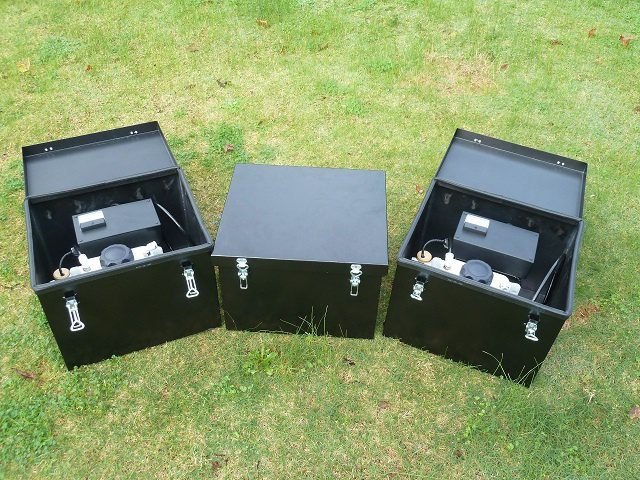
Brilliant Invention Gen 20 Hydrogen Generator ---(update Feb 7... Full Story

by Gavan Knox HFS whats app +61 403177183 gavan@hfuel.com.au... Full Story
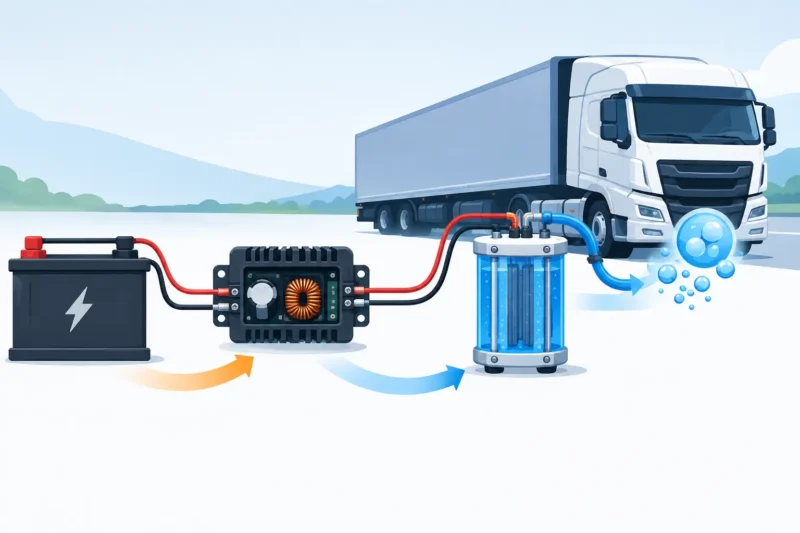
How 24V-to-13.8V Buck Configuration Regulators Affect HHO generation in... Full Story
A diesel that is smoking, using more fuel or... Full Story

How Do DC-DC Boost Regulators Affect Hydrogen Gas Production?... Full Story
Payment Methods Partner:

© 2023 - Hydrogenfuelsystems pty ltd