Brilliant Invention Gen 20 Hydrogen Generator July 2 2026
Brilliant Invention Gen 20 Hydrogen Generator ---(update Feb 7... Full Story
Perth, West Australia





by Gavan Knox MSc, BSc, BEd.
WhatsApp call +61 403177183
contact gavan@hfuel.com.au
https://hydrogenfuelsystems.com.au
HHO System vs Diesel Tuning: What Pays A diesel that works for a living needs more than a flashy power figure. In the HHO system vs diesel tuning decision, the real question is whether you want to chase peak output, reduce the cost of every kilometre, or build a better balance of both. For utes, 4WDs, trucks, generators and marine engines, the wrong modification can create expensive headaches. The right one can improve how the engine performs day after day.
Diesel tuning and HHO hydrogen enhancement approach the same engine from very different angles. One changes the way the ECU commands fuel, boost and torque. The other supplements the combustion process with on-board generated hydrogen and oxygen gas. Neither should be bought on hype alone. Your engine condition, operating load, driving cycle and compliance requirements matter.
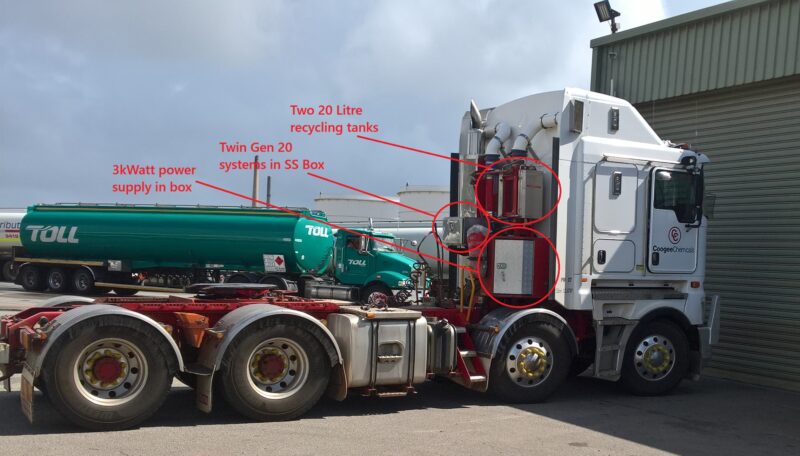
Diesel tuning usually means recalibrating the engine control unit, fitting a plug-in tuning module, or adding a throttle controller. A proper ECU tune can alter fuel injection timing, injection duration, rail pressure, boost targets and torque limiters. The objective is straightforward: extract more usable performance from the engine’s existing hardware.
That can make a heavy 4WD feel sharper on the highway, help a loaded ute pull more confidently, or give an owner-driver more torque where it counts. But extra power normally comes from changing the fuel and air strategy. If the vehicle is driven harder because it now feels stronger, fuel use can rise rather than fall. More torque also places more demand on the clutch, transmission, cooling system and exhaust hardware.
An HHO system works differently. It uses electrical power from the vehicle to generate a controlled amount of hydrogen and oxygen gas from water. That gas is introduced into the intake to support a cleaner, more complete combustion event. The aim is not to force the engine into an aggressive fuel map. It is to improve combustion efficiency in the workload the engine already performs.
For high-use diesel applications, that distinction matters. A vehicle that spends its life towing, idling, hauling tools or covering long distances does not always need a big dyno number. It needs fuel economy, consistent response, lower smoke output and less wasted fuel leaving through the exhaust.

A quality diesel tune can deliver a noticeable increase in torque and throttle response. This is why tuning remains popular with recreational 4WD owners, towing enthusiasts and drivers who want stronger acceleration without stepping up to a larger vehicle.
The best result comes when the tune is written for the actual vehicle setup. Tyre size, towing weight, intercooler capacity, exhaust modifications and intended use all affect what is safe and sensible. A conservative tune from an experienced calibrator is a very different proposition from a cheap generic module that simply manipulates sensor signals.
For a lightly loaded vehicle where outright performance is the priority, tuning may be the direct route. It can improve drivability immediately, particularly where the factory calibration feels restrained.
The trade-off is that tuning has to be managed properly. Excessive fuel delivery can increase exhaust gas temperatures, create more soot and place added stress on engine components. On modern common-rail diesels, poorly considered tuning can interfere with the systems designed to control emissions and protect the engine. Warranty and insurance implications also need to be checked before any ECU changes are made.
An HHO system is often most attractive when fuel bills are a serious operating cost rather than an occasional annoyance. Think courier vehicles, trade utes, regional service fleets, machinery, generators, marine engines and long-haul diesel applications. These engines operate for enough hours that a measured improvement in fuel use can have a meaningful payback.
The key word is measured. Any fuel-saving claim should be assessed against a proper baseline: the same route, similar load, comparable driving conditions and enough distance or running hours to remove guesswork. A single tank is not proof. A spreadsheet of fuel, kilometres, hours and load is far more useful.
Hydrogen Fuel Systems positions HHO technology as a combustion-enhancement solution for operators who want practical gains, not workshop talk. System sizing matters. A small passenger vehicle has different gas requirements from a diesel truck, a generator or a hard-working marine engine. Correctly matching the generator, electrical supply, wiring, water reservoir and intake installation is essential to getting a dependable result.
The benefits operators commonly target include lower fuel consumption, improved throttle response, cleaner exhaust and reduced carbon build-up associated with incomplete combustion. Results vary by engine condition and duty cycle, which is exactly why installation guidance and pre-install inspection should never be treated as optional.
Both modifications can be marketed as fuel savers, but they save fuel in different ways.
A diesel tune may improve economy when it produces more torque at lower engine speed and allows the driver to hold a higher gear with less throttle. That benefit disappears quickly if the tune encourages harder acceleration, faster cruising or heavier towing. The driver’s right foot still has the final say.
An HHO system is aimed at improving the efficiency of the combustion already taking place. It can be especially relevant for engines that spend long periods under steady load, where small percentage improvements are repeated hour after hour. The potential financial result is therefore closely tied to fuel throughput. A vehicle using $80 of diesel a week will have a different payback profile from equipment burning hundreds or thousands of dollars of fuel each week.
Before fitting either option, record at least several weeks of normal consumption. Include odometer readings or engine hours, litres purchased, average load, idle time and towing activity. Without this information, owners tend to judge results by feel. Feel is useful for noticing response. It is not a reliable measure of fuel savings.
Modern diesels are complicated emissions packages. EGR systems, diesel particulate filters, catalytic systems and sensors all have a role. Any modification that defeats, removes or bypasses emissions equipment can create legal, insurance and mechanical problems. In Australia, requirements can vary by state and vehicle type, so compliance must be checked before modifying an emissions-controlled engine.
A sensible HHO installation should work with a sound engine, not mask a fault. If injectors are worn, the intake is blocked with carbon, boost hoses leak or the DPF is already struggling, fix those issues first. Adding any performance or combustion-enhancement product to a poorly maintained diesel is not a shortcut to a reliable result.
The same goes for tuning. Monitor exhaust gas temperature where relevant, ensure cooling capacity is up to the task and be realistic about drivetrain limits. A tune that looks excellent on a brief dyno pull may not be the right tune for a fully loaded work vehicle climbing grades in summer heat.
Yes, but only when the approach is conservative and properly planned. An HHO system and a diesel tune are not automatically competitors. One focuses on combustion enhancement, while the other changes ECU calibration. For some applications, a mild tune paired with an appropriately sized HHO system can provide stronger drivability while retaining a close eye on fuel use.
That said, stacking modifications without data is how good vehicles become expensive projects. Start with the engine in standard form, establish fuel and performance baselines, then make one controlled change at a time. This gives you a clear answer about what is delivering value.
For fleet operators, the most sensible order is usually reliability first, fuel measurement second, then a system selected for the vehicle’s actual workload. For a weekend 4WD chasing towing response, a conservative tune may be the first consideration. For a generator, work truck or commercial vehicle burning fuel all week, HHO enhancement deserves a serious commercial calculation.
The best modification is the one that suits the job, can be measured honestly and continues to earn its keep after the initial excitement wears off. Start with accurate fuel records, a healthy engine and a system sized for the work your diesel actually does.
by Gavan Knox MSc, BSc, BEd.
WhatsApp call +61 403177183
contact gavan@hfuel.com.au
https://hydrogenfuelsystems.com.au
Brilliant Invention Gen 20 Hydrogen Generator ---(update Feb 7... Full Story

by Gavan Knox HFS whats app +61 403177183 gavan@hfuel.com.au... Full Story
How 24V-to-13.8V Buck Configuration Regulators Affect HHO generation in... Full Story
A diesel that is smoking, using more fuel or... Full Story

How Do DC-DC Boost Regulators Affect Hydrogen Gas Production?... Full Story
Payment Methods Partner:

© 2023 - Hydrogenfuelsystems pty ltd