Brilliant Invention Gen 20 Hydrogen Generator July 2 2026
Brilliant Invention Gen 20 Hydrogen Generator ---(update Feb 7... Full Story
Perth, West Australia





by Gavan Knox MSc, BSc, BEd, Inventor
WhatsApp call +61 403177183
contact gavan@hfuel.com.au
https://hydrogenfuelsystems.com.au
HHO Troubleshooting for Reliable Engine Results – Aug 21A system that produced clean, consistent gas last week but is now drawing the wrong current, bubbling weakly or affecting engine operation needs a methodical check – not guesswork. Proper HHO troubleshooting starts at the power supply, moves through the cell and finishes at the engine connection. That order saves time, prevents damaged components and gets your vehicle, generator or vessel back to operating as intended.
Do not keep adding electrolyte or adjusting settings blindly. High current, poor connections and contaminated water can turn a small fault into a damaged cell, blown fuse or unreliable result. Check one variable at a time and record what changes.

Before touching the system, park safely, isolate the ignition and let hot engine components cool. Hydrogen gas is flammable. Work in a ventilated area, keep sparks and naked flames away, and never open or service a live system.
Look for the obvious mechanical issues first. Check that the reservoir has sufficient distilled water, the hoses are not kinked or split, fittings are secure, and the cell is mounted firmly. Inspect the wiring from battery to fuse, relay, controller and cell. A cable that looks fine from above may be heat damaged, loose at the lug or corroded underneath its insulation.
A simple visual inspection should cover five areas:
If a fault is visible, correct it before moving to electrical tests. There is no value chasing current draw while a hose is leaking or the earth cable is barely connected.
Most HHO faults that appear to be a cell problem are actually supply problems. The cell needs stable voltage and a low-resistance electrical path. A weak alternator, poor chassis earth or undersized cable can reduce production and create misleading current readings.
With a multimeter, check battery voltage with the engine off, then check charging voltage with the engine running. Next, measure voltage at the system input and at the cell terminals while the unit is operating. A meaningful drop between the battery and cell points to resistance in the wiring, fuse holder, relay, controller or earth return.
Pay special attention to the earth. A painted mounting surface, loose bolt or corroded chassis connection can restrict current just as effectively as a damaged positive cable. Run an appropriate earth cable to a proven clean grounding point rather than relying on thin factory brackets or questionable bodywork connections.
If the fuse repeatedly blows, do not fit a larger fuse and hope for the best. A blown fuse is a warning. Check for a short circuit, crushed cable, incorrect polarity, internal controller failure or a cell drawing more current than the system was designed to handle. The correct fuse rating protects your wiring and components.
Weak bubbling can come from low voltage, a poor connection, insufficient electrolyte concentration, cold operating conditions or blocked plumbing. Start with voltage and continuity checks. If supply voltage is correct, inspect water level and make sure the cell contains the approved mixture using distilled water.
Do not use tap water, rainwater, mineral water or random chemicals. Minerals and contaminants can change conductivity, create deposits and make current draw unpredictable. Use the electrolyte specified for the kit and add it gradually. The target is controlled current draw, not the biggest possible bubble rate.
Excessive current is one of the most common reasons for HHO troubleshooting. Symptoms include hot cables, hot cell plates, frequent fuse failures, rapidly discoloured water, heavy vapour output or an alternator working harder than it should.
The usual cause is too much electrolyte. Drain or dilute the solution with distilled water according to the system instructions, then retest after allowing the cell to stabilise. New cells can also change behaviour during initial operation as surfaces condition, so do not make large concentration changes after a single quick reading.
High current may also indicate internal contamination or plate bridging. If the water is dark, cloudy or carrying visible debris, drain the cell and inspect it. Clean only with methods approved for the specific unit. Aggressive scraping, unsuitable cleaners or altered plate spacing can damage the system and void the purpose of a controlled design.
Heat matters. A cell running in a hot engine bay, on a hard-working diesel ute or beside a generator under load may draw differently from a cold bench test. Test under normal operating conditions, but stop immediately if temperatures become excessive or components show signs of stress.
Low current does not automatically mean the unit has failed. In many cases, it is a supply-side restriction. Check fuse condition, relay operation, controller settings, terminal tightness and earth quality. Confirm that the relay trigger is receiving the intended ignition or engine-run signal.
If the wiring checks out, inspect the electrolyte level and concentration. Too little electrolyte reduces conductivity, while old or contaminated solution can make readings inconsistent. Replace questionable fluid with fresh distilled water and the approved electrolyte mix rather than trying to revive a dirty solution.
A digital multimeter is useful, but use it correctly. Measure current with equipment rated for the expected load, or use a suitable DC clamp meter. Never force a small meter into a high-current circuit and risk damaging the meter, leads or wiring.
A healthy HHO system still needs a sound engine connection. A split hose, leaking fitting or incorrect intake location can affect how gas is introduced and may create idle or drivability issues. Check every clamp from the cell outlet through the bubbler and check valve to the intake point.
The bubbler and check valve are safety-critical parts of the installation. Confirm correct flow direction and make sure they are clean and free from restrictions. Do not bypass them to chase more flow. Their job is to help protect the cell and plumbing from intake backfire or reverse pressure.
If the engine develops a rough idle, fault code, hesitation or unusual behaviour after installation, inspect the intake connection before changing the HHO system settings. Modern petrol engines can be sensitive to unmetered air. Diesel engines have different intake characteristics, but a poor connection can still cause hose movement, leaks or unreliable delivery.
For turbocharged applications, marine engines and generators, hose routing deserves extra attention. Keep lines away from exhaust heat, sharp edges, moving belts and areas where water can collect. A system may work perfectly at idle then fail under vibration, boost or sustained load because a hose rubs through or a connection opens.
The fastest way to create ongoing faults is to treat the HHO kit as separate from the vehicle’s electrical and mechanical systems. It is not. The alternator, battery health, cable sizing, mounting location, intake condition and maintenance routine all affect results.
Do not increase electrolyte concentration to compensate for a weak charging system. Do not bypass a relay because it is inconvenient. Do not run damaged hose temporarily. And do not judge performance from one short drive after changing multiple settings. Make one correction, verify current draw and operation, then assess the vehicle under comparable driving or working conditions.
For fleet vehicles, machinery and generators, keep a service record. Note water changes, electrolyte additions, current readings, fuse replacements, battery voltage and operating hours. This turns troubleshooting from opinion into evidence. It also helps identify whether a recurring issue is linked to vibration, high ambient temperatures, long operating hours or a specific operator routine.
Stop operating the system if you find melted wiring, repeated fuse failures, strong electrical burning smells, damaged cell casing, unusual pressure in the plumbing or signs of a gas leak. These are not minor adjustments. Isolate power and inspect the installation against its wiring diagram and component specifications.
If voltage, wiring, water quality and plumbing all check out but the system still performs inconsistently, technical support is the right next move. Have your system size, vehicle or equipment details, voltage readings, current draw and clear photos ready. That information makes diagnosis quicker and avoids replacing parts that are not actually at fault.
A properly installed HHO system should be easy to monitor: clean water, controlled current, secure connections and tidy hose routing. Keep those fundamentals right and your engine has the best chance of delivering the fuel-efficiency and operating benefits you installed the system to pursue.
by Gavan Knox MSc, BSc, BEd.
WhatsApp call +61 403177183
contact gavan@hfuel.com.au
https://hydrogenfuelsystems.com.au
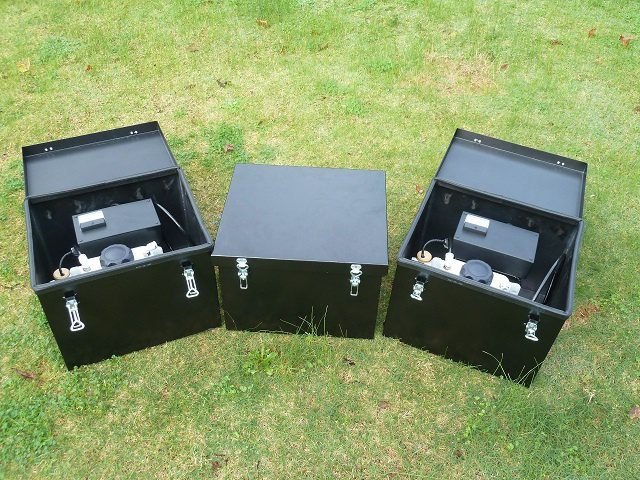
Brilliant Invention Gen 20 Hydrogen Generator ---(update Feb 7... Full Story

by Gavan Knox HFS whats app +61 403177183 gavan@hfuel.com.au... Full Story

Fuel Economy Methodology That Produces Real Numbers - oct... Full Story

Can HHO Improve Towing Economy? Facts That Matter -... Full Story

HHO Versus Additives: What Actually Pays Back? - Oct.... Full Story
Payment Methods Partner:

© 2023 - Hydrogenfuelsystems pty ltd