Brilliant Invention Gen 20 Hydrogen Generator July 2 2026
Brilliant Invention Gen 20 Hydrogen Generator ---(update Feb 7... Full Story
Perth, West Australia




by Gavan Knox MSc, BSc, BEd.
WhatsApp call +61 403177183
contact [email protected]
https://hydrogenfuelsystems.com.au
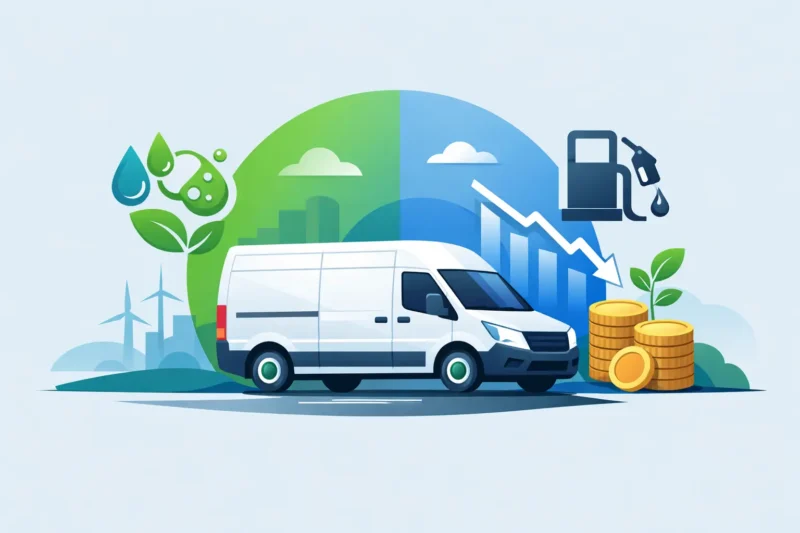
How Delivery Van HHO Savings Can Cut Fuel Costs. A delivery van that burns an extra litre or two per 100 km does not sound disastrous until it is running routes six days a week. Across a busy courier, trade or service fleet, delivery van HHO savings can become a serious operating-cost conversation – provided the system is properly matched to the vehicle, installed correctly and measured against real fuel records.
For owner-drivers, the issue is immediate: fuel comes straight out of the day’s earnings. For fleet operators, it affects margins, pricing and the ability to keep vehicles on the road without constantly pushing up delivery charges. An on-board hydrogen generator system is designed to help improve combustion efficiency, giving diesel and petrol engines a cleaner, more complete burn of the fuel already being injected.

Delivery vehicles often do the kind of work that exposes every weakness in fuel efficiency. They carry tools, parcels or stock. They idle at depots and kerbsides. They start and stop through suburban traffic, then spend time on arterial roads and motorways. Many also rack up far more kilometres than a privately owned vehicle.
That workload means small improvements have room to add up. A van travelling 1,000 km a week at 12 litres per 100 km consumes around 120 litres weekly. Reducing consumption by even a modest, verified amount changes the annual fuel bill quickly. The actual result will depend on the engine, route, payload, driving style and condition of the vehicle, but high-use vans provide a clearer opportunity to measure whether a system is paying its way.
HHO is produced on demand through “Knox Scientific Patented” electrolysis and introduced as a supplementary gas into the engine’s air intake. It is not stored as a tank of hydrogen. The purpose is to support faster, more complete combustion of the primary fuel charge. When combustion improves, the potential benefits can include lower fuel use, smoother response, reduced visible smoke on some diesel applications and less carbon build-up over time.

A small generator fitted to a hard-working turbo-diesel van will not deliver the gas output needed for the application. Equally, oversizing without considering the vehicle’s electrical system, engine capacity and operating pattern is poor practice. System sizing is not a guesswork exercise.
Hydrogen Fuel Systems offers Gen 10, Gen 15, Gen 20 and Gen 25 systems to suit different engine capacities and workloads. The correct selection should account for whether the van is petrol or diesel, its engine size, turbocharging, kilometres travelled, typical payload and whether it spends most of its time in city traffic or on open roads.
A metro courier van with constant stop-start work may show a different pattern from a regional parts-delivery van that spends hours at steady highway speed. Both can be worthwhile candidates, but they need different expectations. City work has more idling and transient acceleration, while highway running can make fuel-use comparisons cleaner and more repeatable.
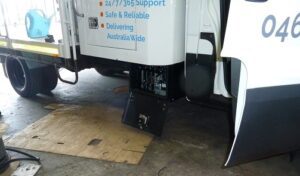
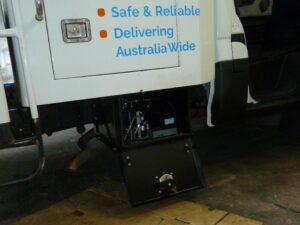
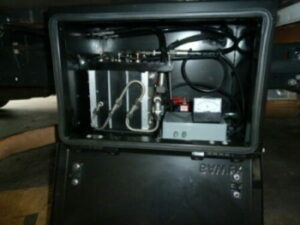
The installation itself matters just as much as the generator size. Gas delivery, wiring protection, fluid management, electrical supply, intake connection and safety components must be fitted to specification. A poorly installed system can compromise results and create avoidable maintenance headaches. For commercial vehicles, professional installation and clear documentation are sensible protection for both the operator and the business.
The fastest way to lose confidence in a fuel-saving upgrade is to rely on a dashboard estimate or a driver’s feeling after one tank. Delivery van HHO savings should be tracked like any other fleet cost: with kilometres, litres, route details and service records.
Start with a baseline of several weeks, not a single fill. Record litres purchased, kilometres travelled, average payload where possible, idling time and unusual route changes. Then continue the same records after installation. Use fuel receipts or fuel-card reports rather than rounded recollections at the bowser.
A meaningful comparison also accounts for factors that move fuel use regardless of the HHO system. Seasonal air-conditioning use, traffic disruptions, tyre pressure, a new driver, added roof racks, heavier loads and overdue servicing can all distort the numbers. The aim is not to manufacture a spectacular percentage. It is to identify a repeatable saving that stands up when the van is doing its normal job.
For a fleet, trial one or two representative vehicles first. Choose vans with reliable records and stable routes, then compare them with similar vehicles operating without the system. This approach provides useful evidence before fitting a larger group. It also helps identify where the return is likely to be strongest, rather than treating every vehicle as identical.

Diesel delivery vans are frequently kept in service long after the warranty period because they are valuable assets with work left in them. If improved combustion helps reduce soot accumulation and supports cleaner running, there may be value beyond the fuel figure alone. Less smoke, better throttle response and a smoother-feeling engine are outcomes drivers often notice first.
That said, an HHO kit is not a substitute for basic vehicle maintenance. A blocked air filter, failing injector, boost leak, worn turbo hose, incorrect tyre pressures or dragging brake can consume far more fuel than any enhancement system can recover. Put the van into sound mechanical condition first. Then use the HHO system as part of a wider efficiency plan.
This is particularly relevant for operators who have bought used vans with incomplete service histories. Before installation, inspect the intake system, cooling system, charging voltage and engine fault codes. A healthy electrical system is essential because the generator draws power while operating. Address existing faults before expecting the vehicle to deliver consistent results.


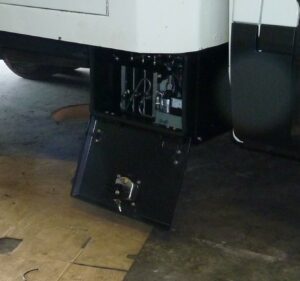

The commercial question is simple: how many litres must the van save to recover the installed cost? Calculate the current annual fuel spend, apply a conservative expected saving based on your own trial data, then compare that value with the system and installation cost.
For example, a van using 6,000 litres annually has a large fuel base. A verified 5 per cent reduction would equal 300 litres saved each year. At $2.00 per litre, that is $600 annually. A vehicle using more fuel, travelling more kilometres or achieving a stronger measured reduction will recover its outlay sooner. Conversely, a lightly used van may take longer to justify the investment.
Use conservative figures when deciding. Fuel prices move, routes change and vehicles age. A return calculation that still works with cautious assumptions is more useful than an optimistic claim built on one good week. It gives an owner-driver or fleet manager a number they can take to the accountant with confidence.
An HHO system performs best when it is treated as working equipment, not a fit-and-forget accessory. Check fluid levels as required, inspect hoses and wiring during scheduled servicing, and keep the intake and electrical connections in good order. Drivers should also know what normal operation looks like and who to contact if a warning light or fault appears.
Pair the system with practical fuel-control habits: correct tyre pressures, sensible idling policies, regular air-filter checks, planned servicing and driver training around smooth acceleration. These measures do not compete with HHO technology. They protect the conditions that allow it to show a measurable benefit.
For businesses moving parcels across Perth, Sydney, Brisbane or any Australian delivery route, fuel is one of the few costs that rises quickly and never asks permission. The best next step is not a guess. Assess the van, select the correct system, establish a fuel baseline and let the numbers show what the vehicle can return.
by Gavan Knox MSc, BSc, BEd.
WhatsApp call +61 403177183
contact [email protected]
https://hydrogenfuelsystems.com.au
Views: 0
Tuesday, August 18, 2026
Brilliant Invention Gen 20 Hydrogen Generator ---(update Feb 7... Full Story

by Gavan Knox HFS whats app +61 403177183 [email protected]... Full Story
How Delivery Van HHO Savings Can Cut Fuel Costs-... Full Story
Can HHO Reduce Soot in Hard-Working Diesels? - August... Full Story
Diesel Fuel Saving Upgrades That Earn Their Keep -... Full Story
Payment Methods Partner:

© 2023 - Hydrogenfuelsystems pty ltd