Brilliant Invention Gen 20 Hydrogen Generator July 2 2026
Brilliant Invention Gen 20 Hydrogen Generator ---(update Feb 7... Full Story
Perth, West Australia





by Gavan Knox MSc, BSc, BEd, Inventor
WhatsApp call +61 403177183
contact gavan@hfuel.com.au
https://hydrogenfuelsystems.com.au
Automotive HHO Reviews: What Real Results Show – Sept 15. A diesel ute that is burning through $500 of fuel each week does not need another vague promise. It needs numbers. That is why automotive HHO reviews matter – but only when the review shows how the vehicle was tested, what was fitted and whether the claimed savings stand up under real operating conditions.
There are plenty of opinions online about hydrogen generator kits. Some come from drivers who have noticed a sharper throttle response or fewer regens. Others dismiss every system after seeing a poorly installed unit, an undersized generator or a test that compares two completely different driving conditions. Neither tells the whole story.
A worthwhile HHO review looks at the engine, the duty cycle, the electrical supply, the installation and the fuel figures before and after fitment. For a high-kilometre operator, that is the difference between buying a working efficiency upgrade and spending money on a gadget.

An HHO system uses electrical power from the vehicle to generate a controlled hydrogen and oxygen gas mixture on board. That gas is introduced into the engine’s air intake to support more complete combustion of the main fuel charge. The aim is practical: reduce fuel use, improve combustion quality, lower some exhaust emissions and help the engine operate more efficiently.
The REVIEW should not stop at “it feels better”. Driver feedback has value, especially where a vehicle is towing, climbing or hauling daily, but it needs supporting data. Look for fuel consumption measured over a meaningful distance or operating period, using the same load, route and driver behaviour wherever possible.
For a road vehicle, litres per 100 kilometres is useful. For a generator, litres per hour at a consistent load is the number that matters. For marine engines, fuel burn per hour at a comparable RPM and vessel load is more relevant than a one-off top-speed claim.
A credible result also identifies the vehicle. A 3.0-litre turbo-diesel 4WD, a light commercial van and a prime mover will not respond in the same way because their engines, loads and operating patterns are completely different. Any review promising one fixed saving percentage for every vehicle deserves a closer look.
The strongest automotive HHO reviews are specific because HHO results depend on the condition and use of the engine. A well-maintained diesel that spends long periods under steady load may provide a clearer fuel-use comparison than a passenger car used for five-minute school runs, cold starts and stop-start traffic.
Engine condition matters first. Dirty intake components, worn injectors, blocked filters, boost leaks, incorrect tyre pressures and poor servicing can all inflate fuel use. An HHO kit is not a substitute for basic maintenance. Fit one to a vehicle with existing mechanical faults and the result can be disappointing, misleading or both.
Then there is duty cycle. A tradie’s ute travelling regional highways, a delivery van in Sydney traffic and a generator running at a stable site load are all different cases. Consistent highway or fixed-load work usually makes payback easier to measure because fuel consumption is less affected by changing conditions.
The size of the HHO system must also suit the application. A small unit may be appropriate for a light passenger vehicle, while a larger-capacity system is needed for heavy-duty trucks, machinery, marine engines or high-output generator applications. Undersizing a system simply to reduce upfront cost can limit the benefit. Oversizing without correct electrical protection, gas control and fitment is no smarter.
A review showing a large percentage figure can be useful, but the method behind it is what gives the figure value. Before treating any claimed saving as a purchasing decision, ask how the result was recorded.
The best evidence compares like with like. Fuel should be measured from full tank to full tank over repeated runs, or through a controlled fuel-flow process. Loads should be comparable. Tyre pressures, routes, idle time and driving style should be kept as close as possible. The test needs enough distance or enough operating hours to reduce the effect of wind, traffic, terrain and filling inconsistencies.
For fleets, the cleanest approach is often to establish a baseline over several weeks. Record kilometres, litres, payload, routes and idle time. Fit the HHO system, allow a sensible bedding-in period, then continue recording the same figures. This creates a record that an owner, workshop manager or accountant can actually use.
Be cautious with results taken from a single short run. A tailwind, lighter payload or less traffic can make fuel economy look dramatically better for one day. That does not mean the kit has failed or succeeded. It means the test is too thin to make a serious call.
Emissions figures need the same scrutiny. If a review refers to reduced smoke, opacity, hydrocarbons or carbon monoxide, it should identify the measurement method and conditions. A proper report carries more weight than a photo of a gauge or an unsupported social media comment.
The hardware is only part of the system. Correct installation is where many real-world outcomes are won or lost.
An HHO generator must be mounted securely away from excessive heat, vibration and moving components. Hoses need to be routed safely, electrical wiring must be fused and protected, and the system needs appropriate water management and gas filtration. The intake connection must be placed correctly for the engine type. These are not cosmetic details. They affect safety, reliability and gas delivery.
A proper kit should include clear instructions, suitable power supply components and application guidance. Where a vehicle has modern engine management, turbocharging, a diesel particulate filter or complex intake plumbing, installation planning is especially important. Do not treat every engine bay as identical.
This is one reason buyer reviews can conflict. One customer may have a correctly matched system fitted with careful wiring and regular checks. Another may have installed a budget unit with poor connections, contaminated electrolyte or no ongoing maintenance. They are not reviewing the same standard of system, even if both call it an HHO kit.
Hydrogen Fuel Systems supplies different generator sizes for light vehicles, 4WDs, trucks, marine applications and generators because matching capacity to the job matters. Before purchasing, confirm the intended engine size, fuel type, electrical requirements and available installation space rather than selecting on price alone.
Fuel savings are only meaningful when they are converted into operating dollars. Start with the vehicle’s actual fuel spend, not an advertised consumption figure. If your truck uses 200 litres per week and diesel costs $2.00 per litre, fuel expenditure is $400 per week.
If measured post-installation data shows a 10 per cent reduction under comparable work, that represents around $40 per week. From there, factor in the installed cost of the system and any regular servicing items. The payback period becomes clear.
For owner-drivers and fleet operators, the best candidates are usually vehicles that cover serious kilometres or work under sustained load. A low-use weekend car may still benefit in engine response or emissions, but it will take longer to recover the purchase cost through fuel savings alone. That is not a fault in the technology. It is simple maths.
Also consider secondary gains carefully. Cleaner combustion may support lower visible smoke and better engine smoothness. However, do not build the financial case around claims you cannot measure. Fuel records, maintenance history and documented emissions testing are stronger than assumptions.
Before relying on automotive HHO reviews, ask whether the reviewer has identified the engine and application, measured baseline fuel use, compared similar operating conditions and explained the installation. Ask whether the system has appropriate safety components, technical documentation and support after purchase.
It is also worth asking what result is realistic for your own vehicle. A supplier who discusses load, engine size, kilometres and operating conditions is taking the job seriously. Anyone guaranteeing an identical saving for every petrol engine, diesel truck and generator is not.
The right HHO system should be treated as an operating-cost tool, not a miracle cure. Get the vehicle serviced, fit the correct kit, record your fuel use properly and give the data time to speak. For a hard-working engine, that is where a confident buying decision starts.
by Gavan Knox MSc, BSc, BEd, Inventor
WhatsApp call +61 403177183
contact gavan@hfuel.com.au
https://hydrogenfuelsystems.com.au
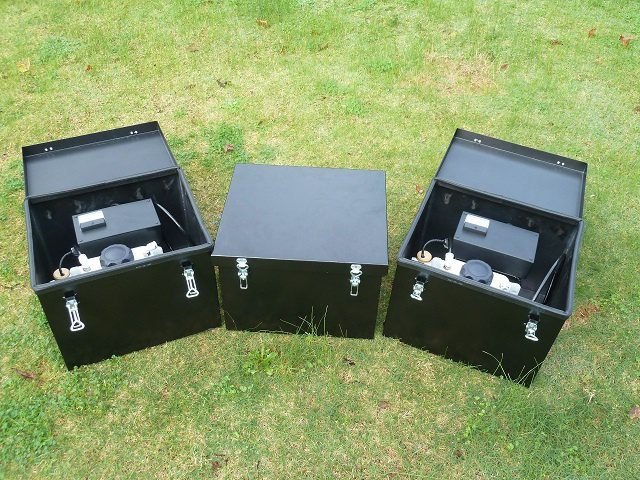
Brilliant Invention Gen 20 Hydrogen Generator ---(update Feb 7... Full Story

by Gavan Knox HFS whats app +61 403177183 gavan@hfuel.com.au... Full Story
A diesel that is smoking, using more fuel or... Full Story

How Do DC-DC Boost Regulators Affect Hydrogen Gas Production?... Full Story
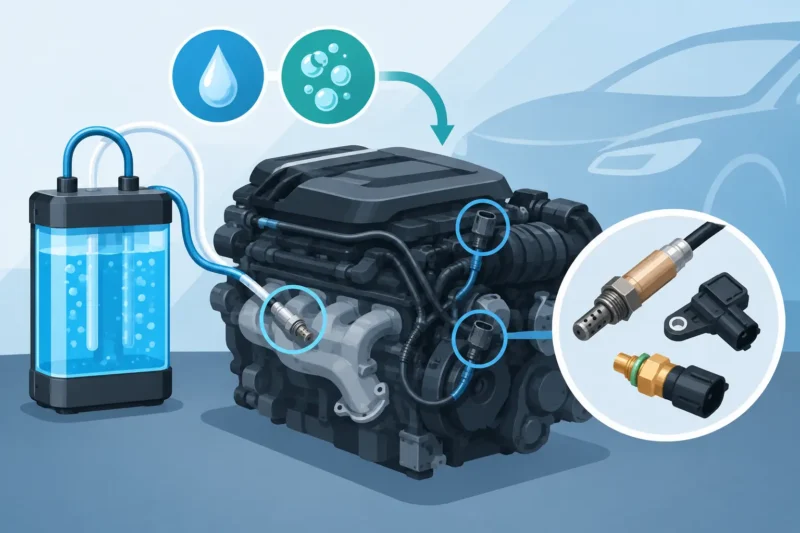
## Can HHO Affect Engine Sensors? What to Check... Full Story
Payment Methods Partner:

© 2023 - Hydrogenfuelsystems pty ltd